Various Artists
i-jusi #3: South African Photography, Curated by Pieter Hugo, portfolio
About the SessionFraming a Nation: The Garth Walker Photography Collection and Other Properties presents a selection of photographs from the personal archive of acclaimed graphic designer and photographer Garth Walker. Born in Pretoria, he trained at Technikon Natal in the 1970s, where he met artist Stephen Inggs, a life-long friend. Walker emerged as a pivotal figure in South African graphic design and visual culture in the 1990s through his design firm Orange Juice Design. In 1995 he launched the influential print magazine i-jusi as a platform to showcase new graphic design, typography and illustration. Later issues were sometimes exclusively devoted to photography.
Prominent artists featured in i-jusi included Roger Ballen, Conrad Botes, David Goldblatt and Anton Kannemeyer. It has been exhibited in over 25 countries and is held in the collections of the Museum of Modern Art, New York, Victoria and Albert Museum, London, and Bibliotèque Nationale d'France, Paris. Beyond the magazine, Walker is best known for the unique, custom typeface he produced for the Constitutional Court of South Africa in 2004. Inspired by street typography and prison graffiti, his typography is featured on the court’s building façade.
A longstanding collector, notably of Zulu headrests and nineteenth-century KwaZulu-Natal photography, Walker began acquiring contemporary South African photography in the early 2000s. His choices were instinctual and guided by his interest in vernacular design and the country’s rich documentary photography tradition. He acquired early works by Pieter Hugo, Zanele Muholi and Guy Tillim, before their international rise to prominence. His collection includes personal documentary work by the award-winning photojournalists Jodi Bieber and Greg Marinovich, as well as an important photo from 1965 by David Goldblatt taken at Hartebeespoort Dam north of Johannesburg. The influence of American documentary registers in his holdings of Stephen Shore and Rosalind Fox Solomon.
A highlight of this auction is the inclusion of i-jusi Portfolios #1, #2 and #3, produced to sustain the magazine’s independent publication and featuring seminal works by South African artists. Portfolio #3, with a photographic focus curated by Pieter Hugo, underscores the collaborative impulse shaping this material. The collection offers a rare opportunity to acquire works from a defining moment in the evolution of post-apartheid visual culture.
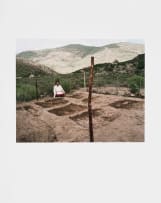
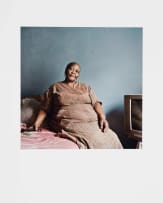
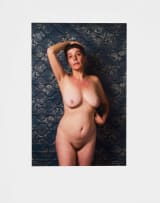
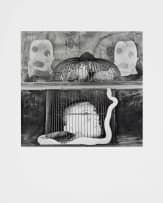
LOT 15
Various Artists
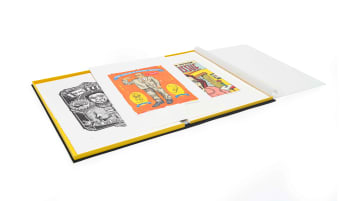
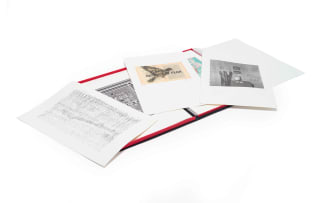
i-jusi #3: South African Photography, Curated by Pieter Hugo, portfolio
Incl. Buyer's Premium & VAT
About this Item
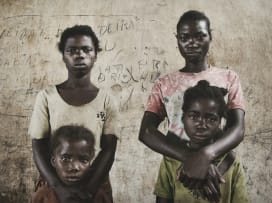
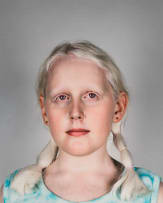
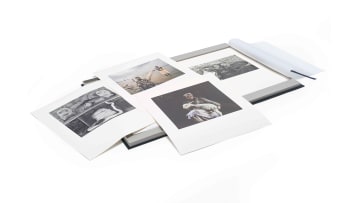
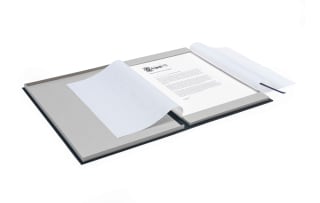
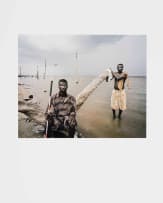
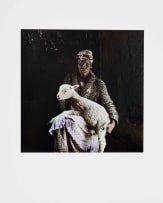
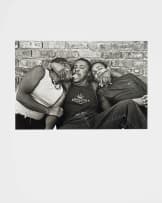
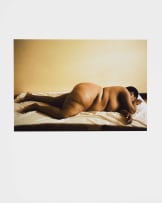
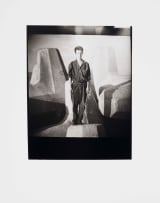
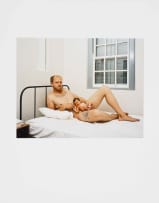
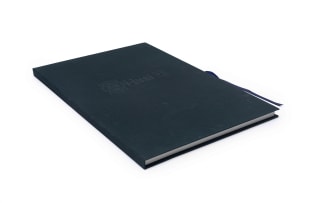
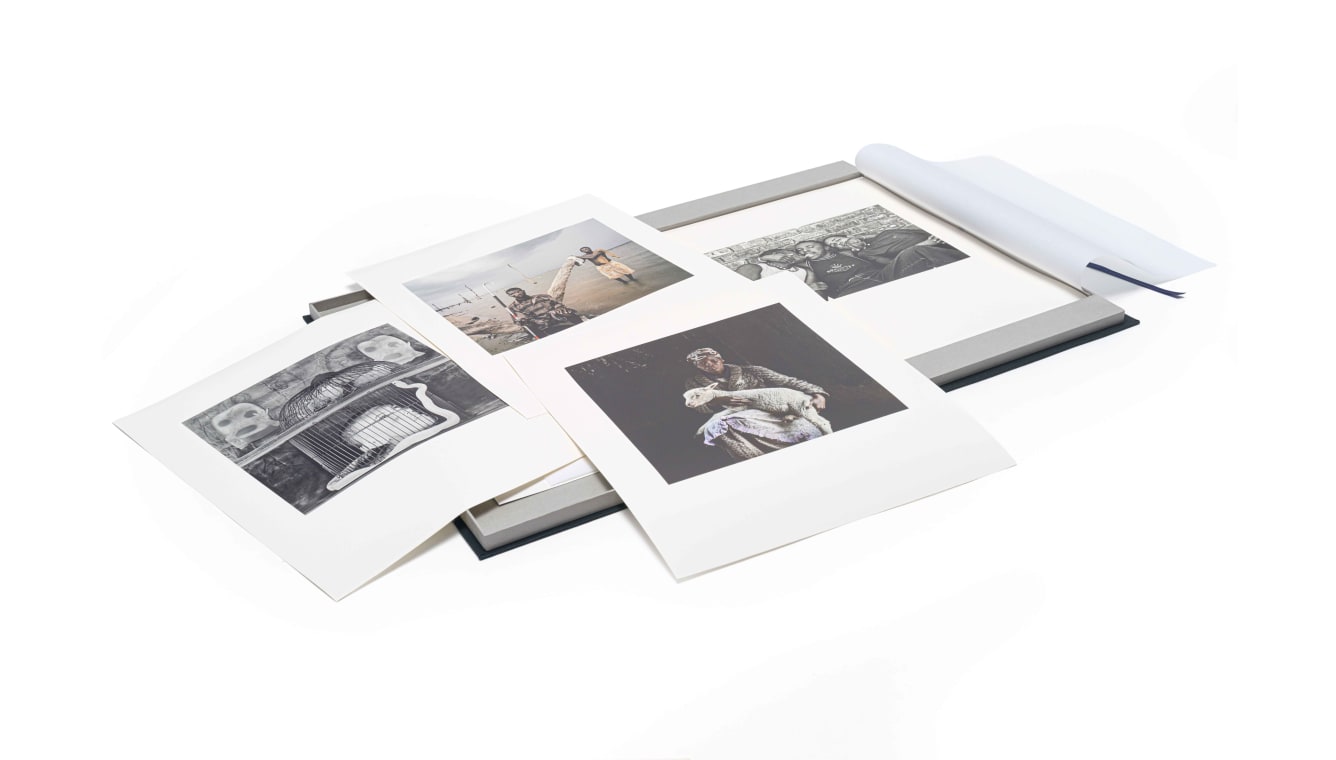
A portfolio of ten photographic prints, from an edition consisting of fifty original copies, ten Hors de Commerce artist's proofs numbered H C 1/10-10/10, two Hors de Commerce publisher's proofs numbered P P. 1/2-2/2 and one archive impression numbered A I 1/1; each print signed by the artist and numbered 24/50 in pencil on the reverse and embossed with the i-jusi chopmark in the margin, with title page and introduction by Pieter Hugo, numbered 24/50 on the final page
Notes
Published as a collaboration between i-jusi and The Rooke Gallery.
Artist's in this portfolio include:
Dean Hutton, David Goldblatt, Zanele Muholi, Sabelo Mlangeni, Mikhael Subotzky, Roger Ballen, Jabulani Patrick Dhlamini, Daniel Naudé, Jo Ractliffe and Pieter Hugo.
"The human face can change in a split second. It can be the emissary of our soul, or the mask that hides it. To do justice to an individual in a single photograph is an almost impossible task. Portraits are born from an exchange between two people - individuals with different agendas, engaged in a subtle game of hiding and revealing. Some of the portraits in this portfolio are gestural. Some have a stillness to them. Some are animated and candid. Some are made with deep empathy, some with love. Some are observational. Some are made with the subject's permission; a few without. Some are made purely to question the fidelity of the portrait. Some are of the self, never without fault.
Portraiture has such a loaded and difficult history in South Africa. It's a relatively new phenomenon for public institutions to exhibit and collect contemporary photography. In the apartheid years photography was relegated to a documentary role, its task to urgently inform. And historically it fulfilled the role of classifying people according to race and tribe, a device that served to categorize and exploit. It seems to me that it is because of the medium's schizophrenic relationship with our history, this conflict between documentary, ideology and art, that South Africa has become such fertile ground for fresh and interesting photographic voices.
I wanted to put together a portfolio that interrogates the tradition of the portrait, a collection that celebrates diverse approaches in the same way that i-jusi has always championed the vernacular and the local. Combining well-known and emerging photographers, my selection comprises Daniel Naudé, David Goldblatt, Jabulani Patrick Dhlamini, Jo Ractliffe, Mikhael Subotzky, Sabelo Mlangeni, Roger Ballen, Zanele Muholi, Nadine Hutton, and myself. Most of the portraits in this portfolio are ones that I have seen before, and which have resonated in my mind. They are portraits I think about when I can't fall asleep."—Pieter Hugo
Exhibited
Michaelis Galleries, Cape Town, i-jusi: Design Based in African Experience, 26 June to 23 July 2014, another example from the edition exhibited.
Provenance
The Garth Walker Photography Collection.
The present lot forms part of a selection of photographs from the personal archive of acclaimed designer Garth Walker. Born in Pretoria and trained at Technikon Natal in the 1970s, Walker is best known for designing the unique typeface adorning the Constitutional Court of South Africa. He was also the publisher of i-jusi, a magazine for experimental graphic design and photography exhibited in 25 countries and held in important international collections. A discerning collector, Walker began acquiring contemporary South African photography in the early 2000s, guided by an instinct for vernacular image-making and documentary practice. The collection includes work by internationally acclaimed documentarians Jodi Bieber, David Goldblatt, Pieter Hugo, Greg Marinovich, Zanele Muholi and Guy Tillim. A key highlight is the inclusion of i-jusi Portfolios #1–3, with Portfolio #3 curated by Pieter Hugo. The collection offers a rare opportunity to acquire works from a defining moment in the evolution of post-apartheid visual culture.
More from Framing a New Nation