Various Artists
i-jusi #2, portfolio
About the SessionFraming a Nation: The Garth Walker Photography Collection and Other Properties presents a selection of photographs from the personal archive of acclaimed graphic designer and photographer Garth Walker. Born in Pretoria, he trained at Technikon Natal in the 1970s, where he met artist Stephen Inggs, a life-long friend. Walker emerged as a pivotal figure in South African graphic design and visual culture in the 1990s through his design firm Orange Juice Design. In 1995 he launched the influential print magazine i-jusi as a platform to showcase new graphic design, typography and illustration. Later issues were sometimes exclusively devoted to photography.
Prominent artists featured in i-jusi included Roger Ballen, Conrad Botes, David Goldblatt and Anton Kannemeyer. It has been exhibited in over 25 countries and is held in the collections of the Museum of Modern Art, New York, Victoria and Albert Museum, London, and Bibliotèque Nationale d'France, Paris. Beyond the magazine, Walker is best known for the unique, custom typeface he produced for the Constitutional Court of South Africa in 2004. Inspired by street typography and prison graffiti, his typography is featured on the court’s building façade.
A longstanding collector, notably of Zulu headrests and nineteenth-century KwaZulu-Natal photography, Walker began acquiring contemporary South African photography in the early 2000s. His choices were instinctual and guided by his interest in vernacular design and the country’s rich documentary photography tradition. He acquired early works by Pieter Hugo, Zanele Muholi and Guy Tillim, before their international rise to prominence. His collection includes personal documentary work by the award-winning photojournalists Jodi Bieber and Greg Marinovich, as well as an important photo from 1965 by David Goldblatt taken at Hartebeespoort Dam north of Johannesburg. The influence of American documentary registers in his holdings of Stephen Shore and Rosalind Fox Solomon.
A highlight of this auction is the inclusion of i-jusi Portfolios #1, #2 and #3, produced to sustain the magazine’s independent publication and featuring seminal works by South African artists. Portfolio #3, with a photographic focus curated by Pieter Hugo, underscores the collaborative impulse shaping this material. The collection offers a rare opportunity to acquire works from a defining moment in the evolution of post-apartheid visual culture.

LOT 14
Various Artists
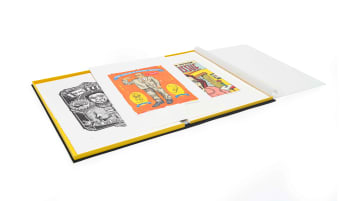
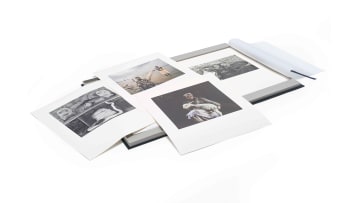
i-jusi #2, portfolio
Incl. Buyer's Premium & VAT
About this Item
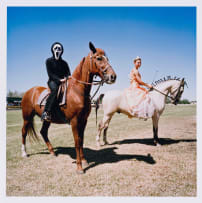
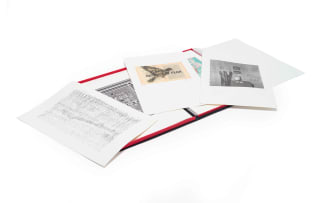
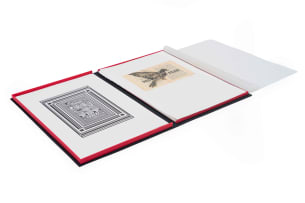
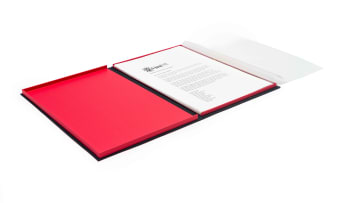
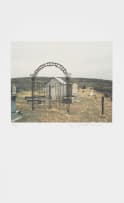
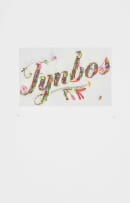
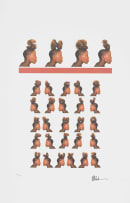
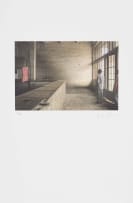
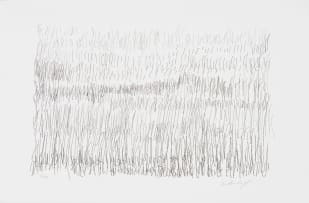
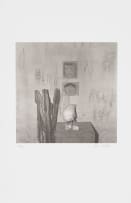
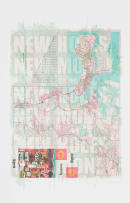
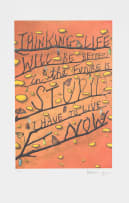
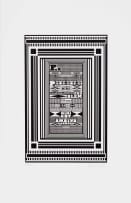
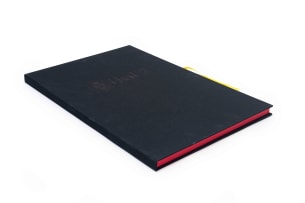
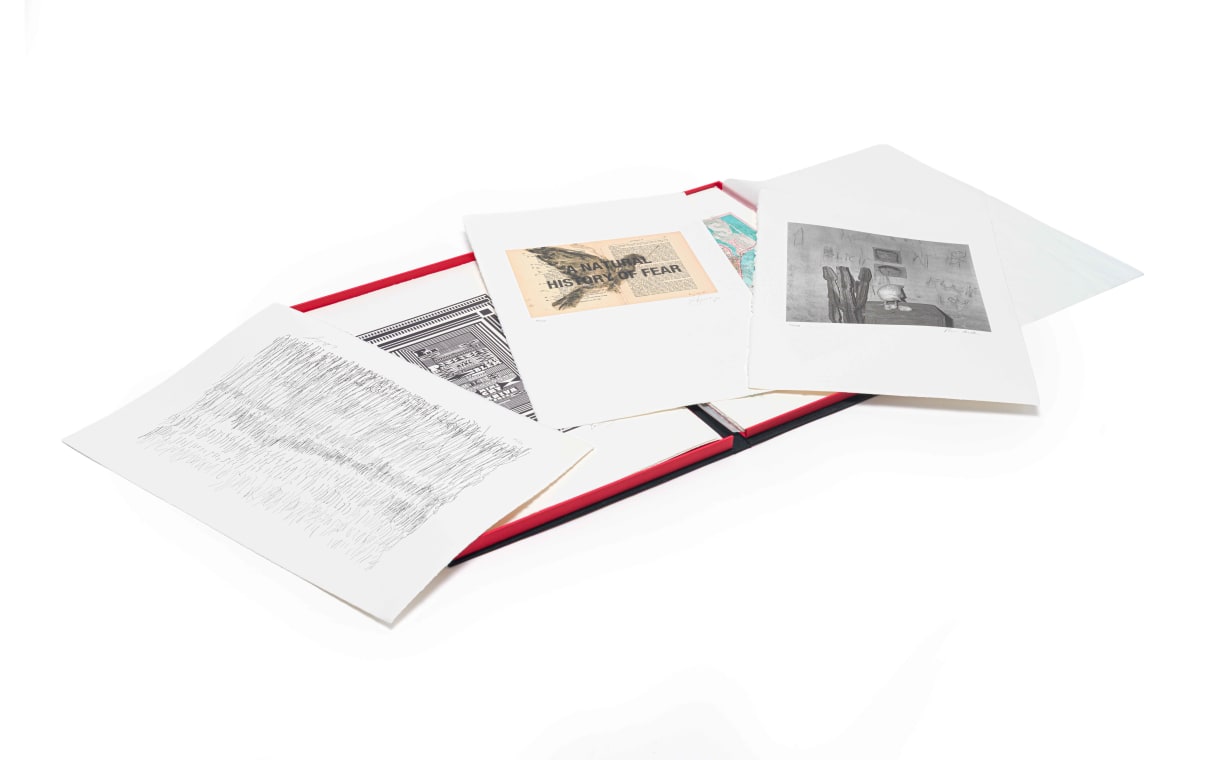
A portfolio of ten offset lithographs, from an edition consisting of fifty original copies, twelve Hors de Commerce artist's proofs numbered H C I/XII - X/XII, two Hors de Commerce publisher's proofs numbered XI/XII - XII/XII, one archive impression numbered A.I I/I and one printer's proof numbered P.P. I/I; each print signed by the artist, numbered 42/50 in pencil and embossed with the i-jusi chopmark in the margin; the David Goldblatt is signed, numbered, and dated 16/12/07, with the final page numbered 42/50; numbered 42/50 on a sheet of paper inside portfolio cover
Notes
Scanning and digital pre-press preparation by Russell Jones and André van Wyk.
Printed by Morgan Poovan and Klaus Fricke, supervised by Stephen Inggs, assisted by Garth Walker and Gavin Rooke. Collated and quality controlled by Andrea Steer.
Artist's included in this portfolio:
Roger Ballen, Jonathan Barnbrook, Willem Boshoff, David Goldblatt, Warwick Kay, William Kentridge, Michael MacGarry, Sne Mtetwa, Stefan Sagmeister and Guy Tillim.
The present lot features i-jusi #2, the second edition of the collaborative portfolios, which explores concepts surrounding lettering and typography integral to the image in the context of the "African Experience", featuring work by a selection South African artists, designers and photographers, as well as two international graphic designers.1
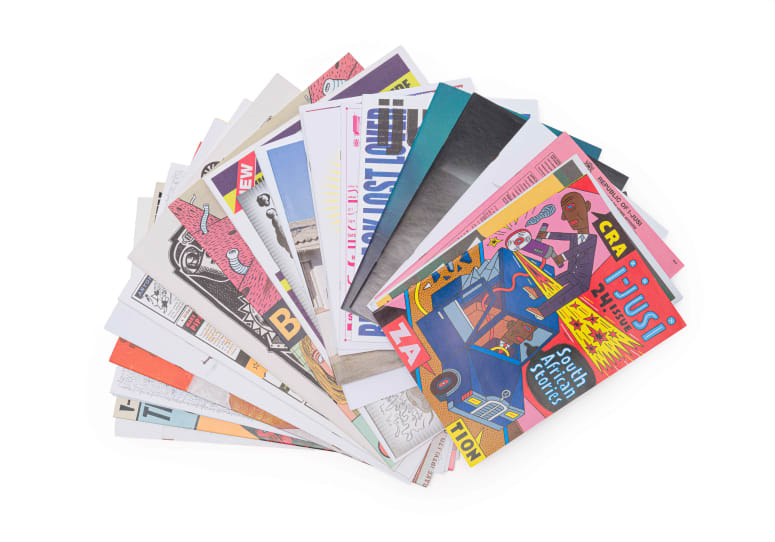
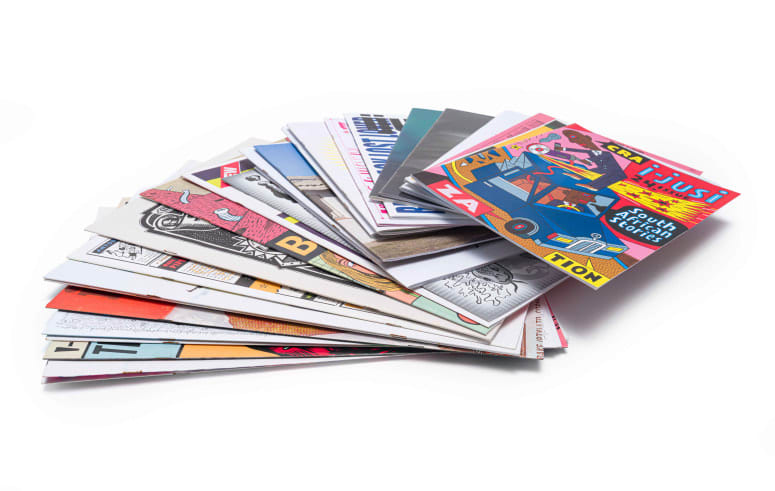
i-jusi (isiZulu for "juice") is an experimental, non-commercial graphics magazine founded by Durban-based designer Garth Walker in 1995, following South Africa’s inaugural democratic elections. The magazine was published in a limited run of approximately 300 copies twice a year. It was produced to allow artists, designers and writers to answer the question ‘What makes me South African, and what does that look like?’ Over time, i-jusi began to reflect the attitudes and social potentials that emerged after the fall of Apartheid.2 i-jusi considers the visual language of South Africa to be “our most powerful traditional weapon.” Strictly non-commercial and freely distributed, the magazine encouraged artists, designers, illustrators, photographers and writers to create in total freedom and to explore their personal views in a free and democratic South Africa, gradually developing cult status and a worldwide following despite its limited print run.3
Beginning in 2010, Walker, in partnership with Rooke Gallery, Johannesburg, produced three limited edition portfolios of ten original offset lithographs each, in an edition of fifty, showcasing selected works from past issues of the magazine as a fundraising mechanism to ensure its continued publication.4
These portfolios have since entered the collections of leading institutions worldwide, including the Museum of Modern Art, New York; the Victoria & Albert Museum, London; the Bibliothèque Nationale de France, Paris and the Smithsonian Institution, Washington D.C.
1. No author (2011) Barnbrook, i-jusi Portfolio 2, online, accessed 9 April 2026.
2. No author (no date) Colophon, i-jusi: What does being 'African' look like?, online, accessed 9 April 2026.
3. No author (2014) University of Cape Town, i-jusi – Design based in African Experience, online, accessed 9 April 2026.
4. Alison Kane (2019) David Krut Projects, Contemporary South African Prints: DKW and i-jusi, online, accessed 9 April 2026.
Exhibited
Michaelis Galleries, Cape Town, i-jusi: Design Based in African Experience, 26 June to 23 July 2014, another example from the edition exhibited.
Provenance
The Garth Walker Photography Collection.
The present lot forms part of a selection of photographs from the personal archive of acclaimed designer Garth Walker. Born in Pretoria and trained at Technikon Natal in the 1970s, Walker is best known for designing the unique typeface adorning the Constitutional Court of South Africa. He was also the publisher of i-jusi, a magazine for experimental graphic design and photography exhibited in 25 countries and held in important international collections. A discerning collector, Walker began acquiring contemporary South African photography in the early 2000s, guided by an instinct for vernacular image-making and documentary practice. The collection includes work by internationally acclaimed documentarians Jodi Bieber, David Goldblatt, Pieter Hugo, Greg Marinovich, Zanele Muholi and Guy Tillim. A key highlight is the inclusion of i-jusi Portfolios #1–3, with Portfolio #3 curated by Pieter Hugo. The collection offers a rare opportunity to acquire works from a defining moment in the evolution of post-apartheid visual culture.
More from Framing a New Nation