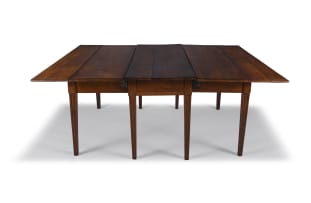
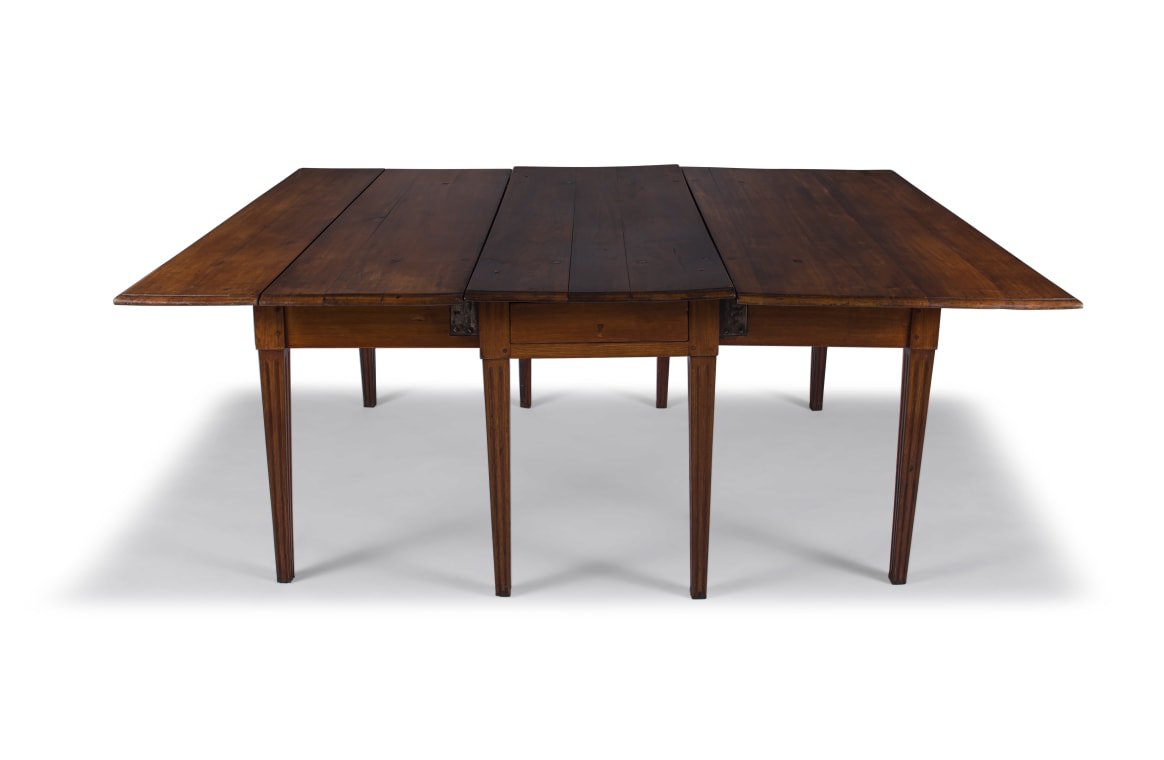
Cape Neo-Classical stinkwood double gate-leg dining table, late 18th century
Furniture and Metalware
LOT 1
Cape Neo-Classical stinkwood double gate-leg dining table, late 18th century
Lot Estimate Change Currency
ZAR 70 000 - 90 000
About this Item
Cape Neo-Classical stinkwood double gate-leg dining table, late 18th century
the moulded rectangular twin-flap peg-top above two frieze drawers, on tapering fluted legs
74cm high, 136cm wide 188,5cm fully extended
Notes
The gate-leg table evolved from a need for space-saving as rooms were small and space at a premium. Traditionally, they stood in the middle of the 18th century dining room as a dining table, capable of seating a large number of people. By folding the hinged flaps, it could then be moved against a wall and transform into a discreet side table.
Provenance
From the collection of Dr Johan Bolt.
Literature
Jo-Marie and Piér Rabe (2003) Cape Furniture Styles 1652 - 1900, Stellenbosch: Jo-Marie and Piér Rabe. Illustrated in colour on page 36, number 24.
Judith Miller (2005) Furniture: World Styles from Classical to Contemporary, London: Dorling Kindersley. Illustrated in colour on page 169.
More from South African Design, Past & Present
Cape stinkwood and beefwood armoire, late 18th century
ZAR 150 000 - 180 000
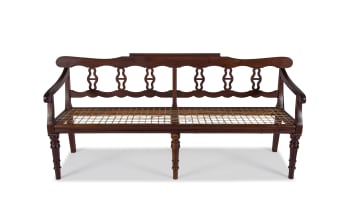
Cape Regency stinkwood rusbank, 19th century
ZAR 12 000 - 14 000
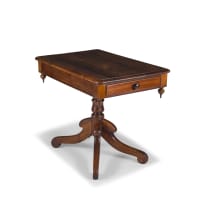
Cape stinkwood pedestal table, 19th century
ZAR 7 000 - 9 000
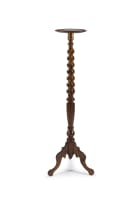
Cape stinkwood gueridon, 19th century
ZAR 2 000 - 3 000
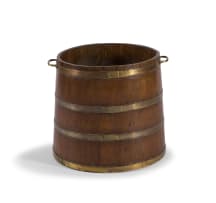
Cape teak and brass-bound balie, 19th century
ZAR 4 000 - 6 000
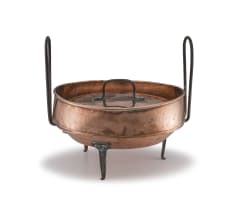
Cape copper tart pan and cover, Josiah Duffett, Cape Town, 1850-1899
ZAR 10 000 - 15 000