A Guide to Collecting Photography
24 Apr 2026
Photography holds great significance in South Africa’s visual art landscape. Particularly as the medium has been a steadfast witness to how systems of power and difficult transitions have shaped the country.
A majority of the works in our current photography focus sale, Framing a New Nation: The Garth Walker Photography Collection and Other Properties (24 April – 12 May), are from celebrated South African image makers who have captured the multifaceted character of the country’s people and landscape.
While interest in photography has grown steadily in the secondary market over the years, it remains mysterious to collectors who prefer to prioritise paintings, sculpture or works on paper in their collections. Recognising that many collectors still feel hesitant about the medium, we are sharing five things to keep in mind if you are looking to invest in photographic prints. In putting together this guide, we spoke to the expert photo laboratory technician Dennis da Silva. Known as a master black and white printer, he has produced high-quality photographic prints for artists, photographers, and galleries in South Africa and abroad for the past 50 years.
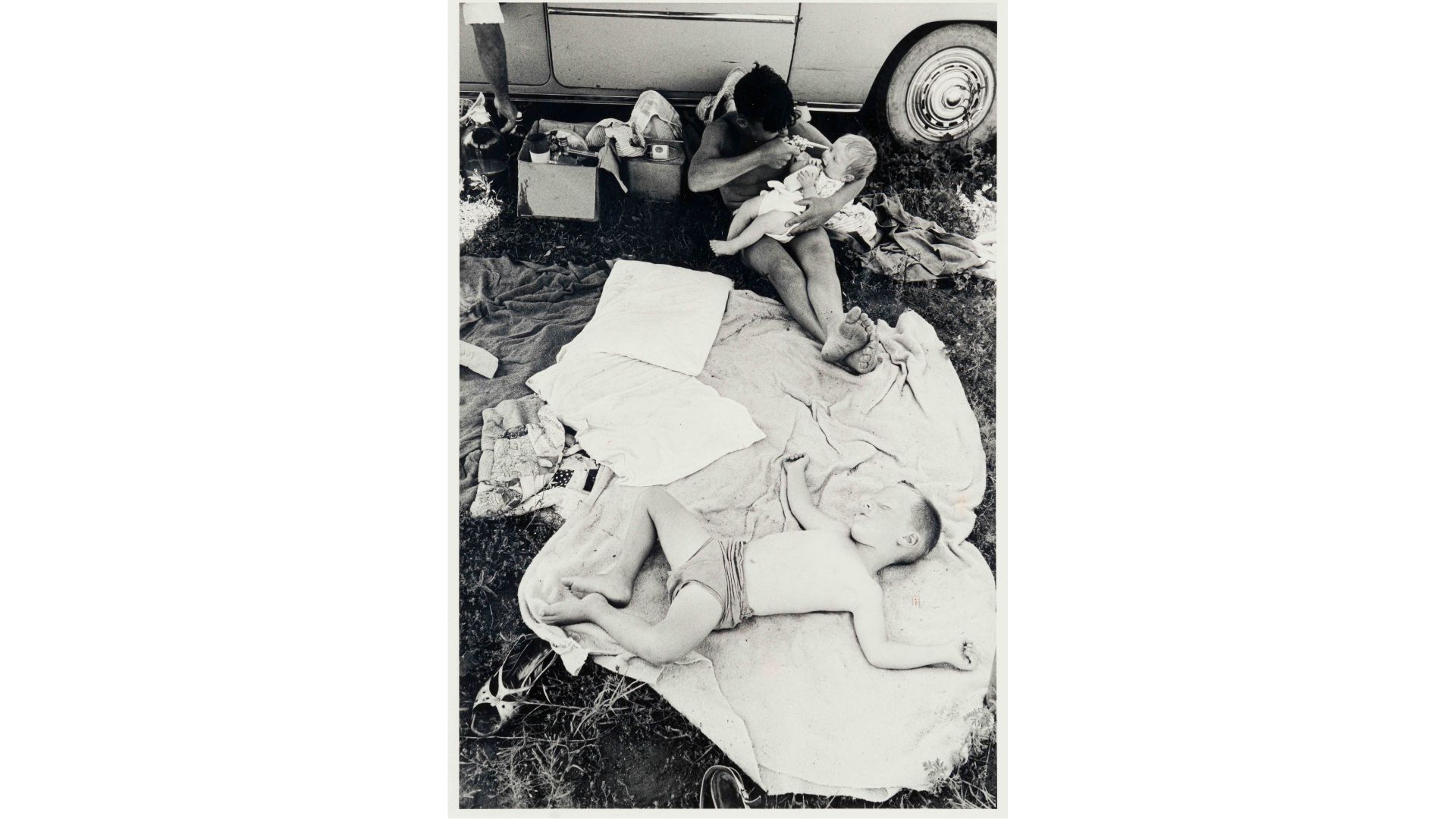
David Goldblatt, Picnic at Hartebeespoort Dam on New Year’s Day, Transvaal (North-West Province), 1965
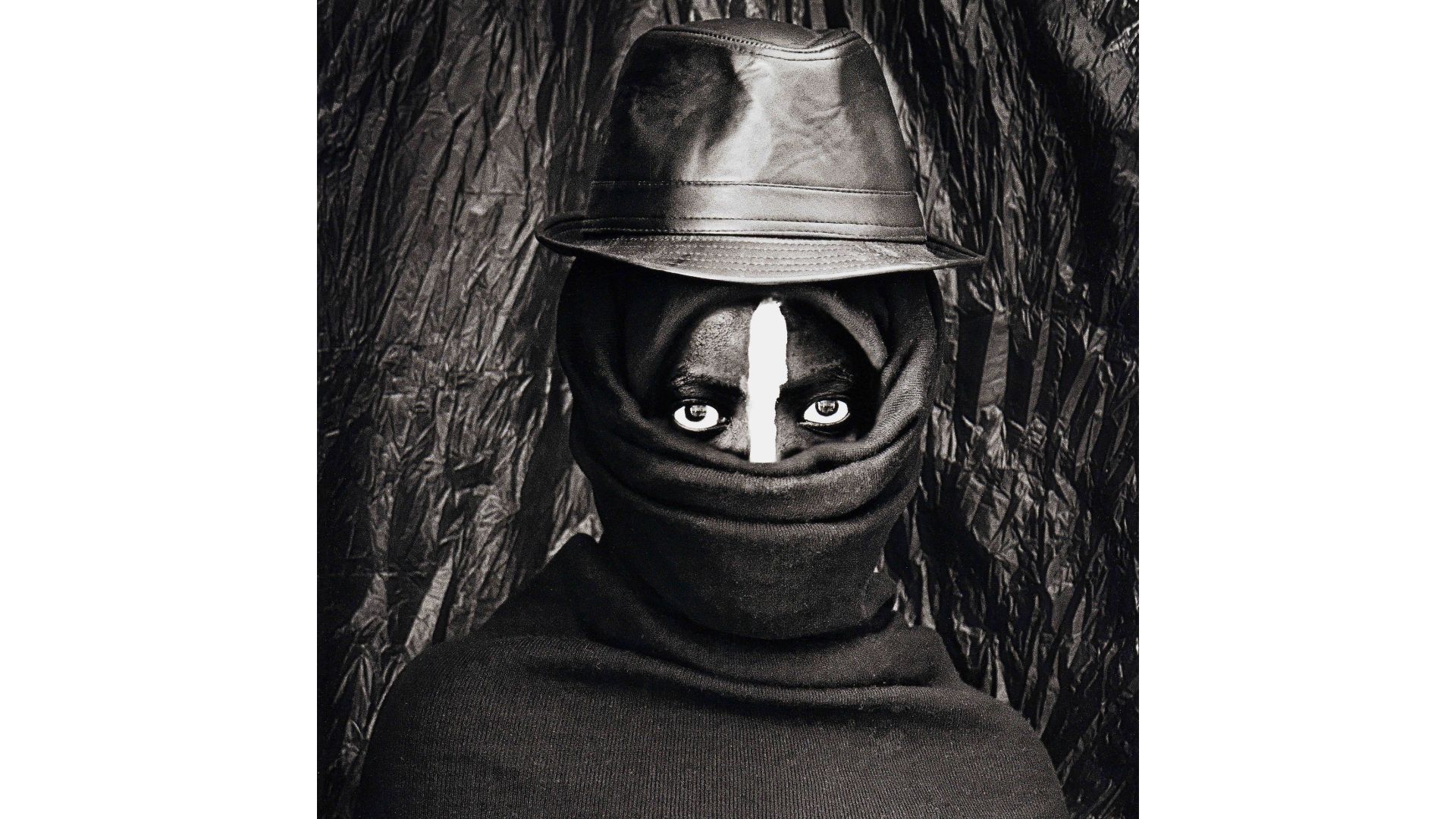
Zanele Muholi, Isililo XX, 2014
What type of photographic prints do you get?
You get a range of different prints made using chemical darkroom or digital printing processes. Inkjet or Gicée is a popular digital method that uses high-quality pigments and results in a polished and sharp image. When printed on acid-free paper, these are referred to as Archival Pigment Prints. Chromogenic prints (C-Prints) are a standard colour print that can either be developed in the darkroom or digitally, and with black-and-white film photography, Silver-Gelatin is the go-to lab process for artists and photographers.
With images captured on film, Da Silva shared that you should ideally purchase a vintage print, which is typically made within five years of the negative being exposed. Collectors often prize vintage prints because they are developed by the artist or under their supervision, adding to the value of the print as it reflects the specific qualities the artist had in mind.
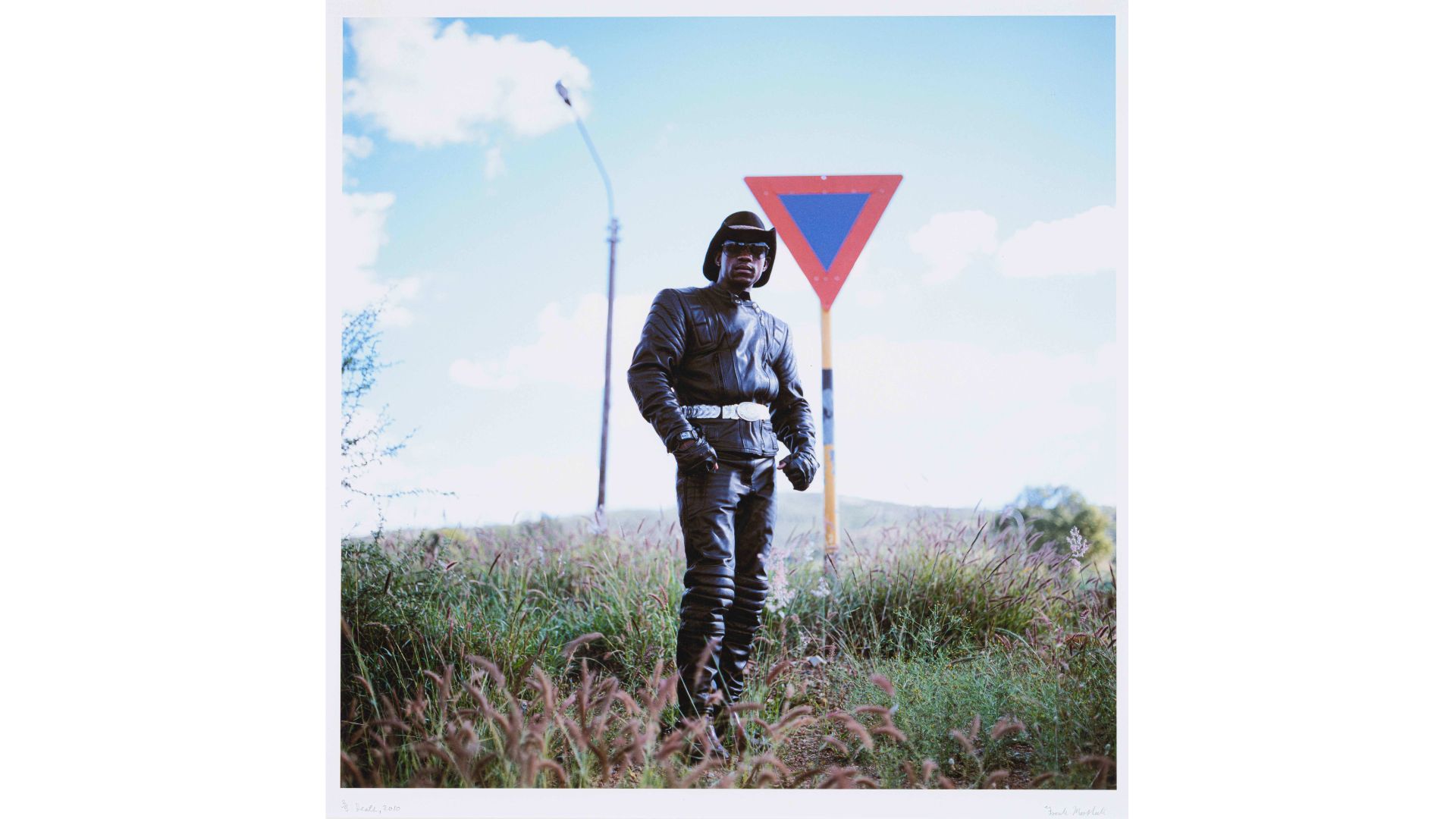
Frank Marshall, Death, 2010
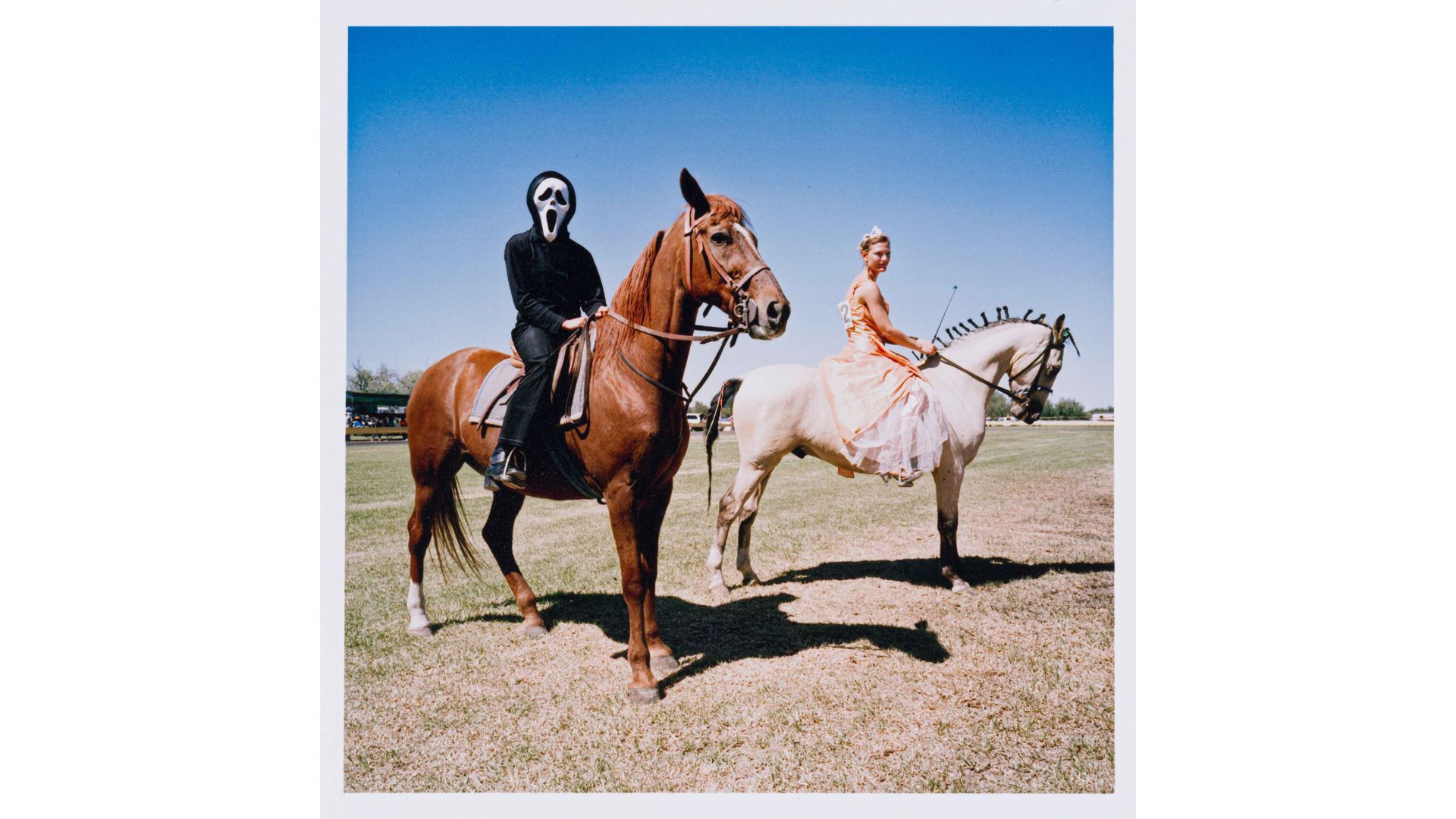
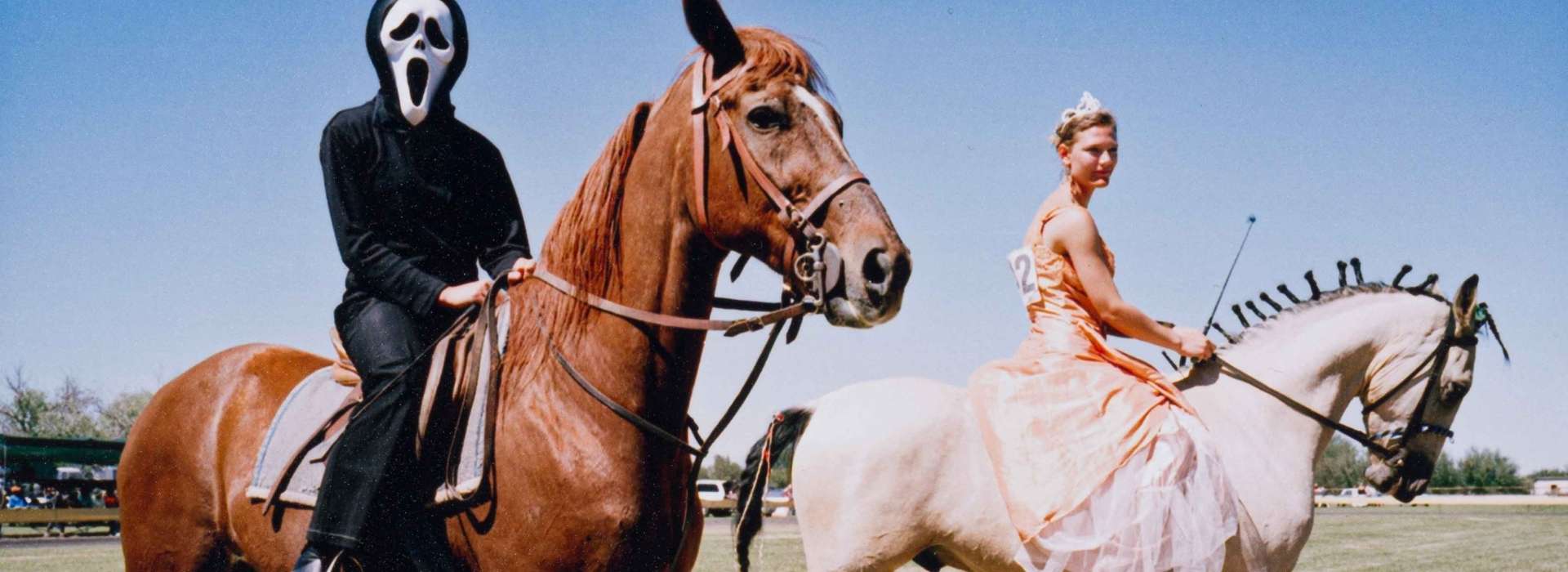
Mikhael Subotzky, Contestants in the Fancy Dress Competition at the Beaufort West Agricultural Show. Beaufort West, South Africa, 2006
Editions: How do they work and how do they influence the value of a print?
Edition size refers to the number of photographic prints produced from a film negative or digital image. Each image in an edition will be signed and numbered with the print number and the total edition size, presented in the format 2/5, for example.
“It is best to have small editions, certainly if the prints are handmade”, emphasised da Silva. Large editions, typically consisting of 100+ prints, are appealing as they make the work more accessible to a wider range of collectors. However, limited editions of 1 to 20 prints hold greater value because the set is more exclusive.
However, there are unique instances where the sheer demand for an artist or photographer disrupts the conventional editioning model of smaller print runs carrying more value. Works by Zanele Muholi in our photography focus sale are a reminder of this dynamic nature of the secondary market.
How should I frame and install my photographic works?
“It is important to work with a reputable framer who uses archival boards and acid-free tape, and knows not to mount prints directly on the board”, emphasised da Silva. The archival framing methods he mentioned are used to extend the longevity of the print. For installation, Da Silva shared that photographic prints should never be hung in direct sunlight, as “light is always going to be a threat to the artwork, even if it has been processed properly.” You should look for UV protective (also called Conservation Clear) or anti-reflective glass or acrylic options when framing their photographic prints to protect them from the effects of sunlight.
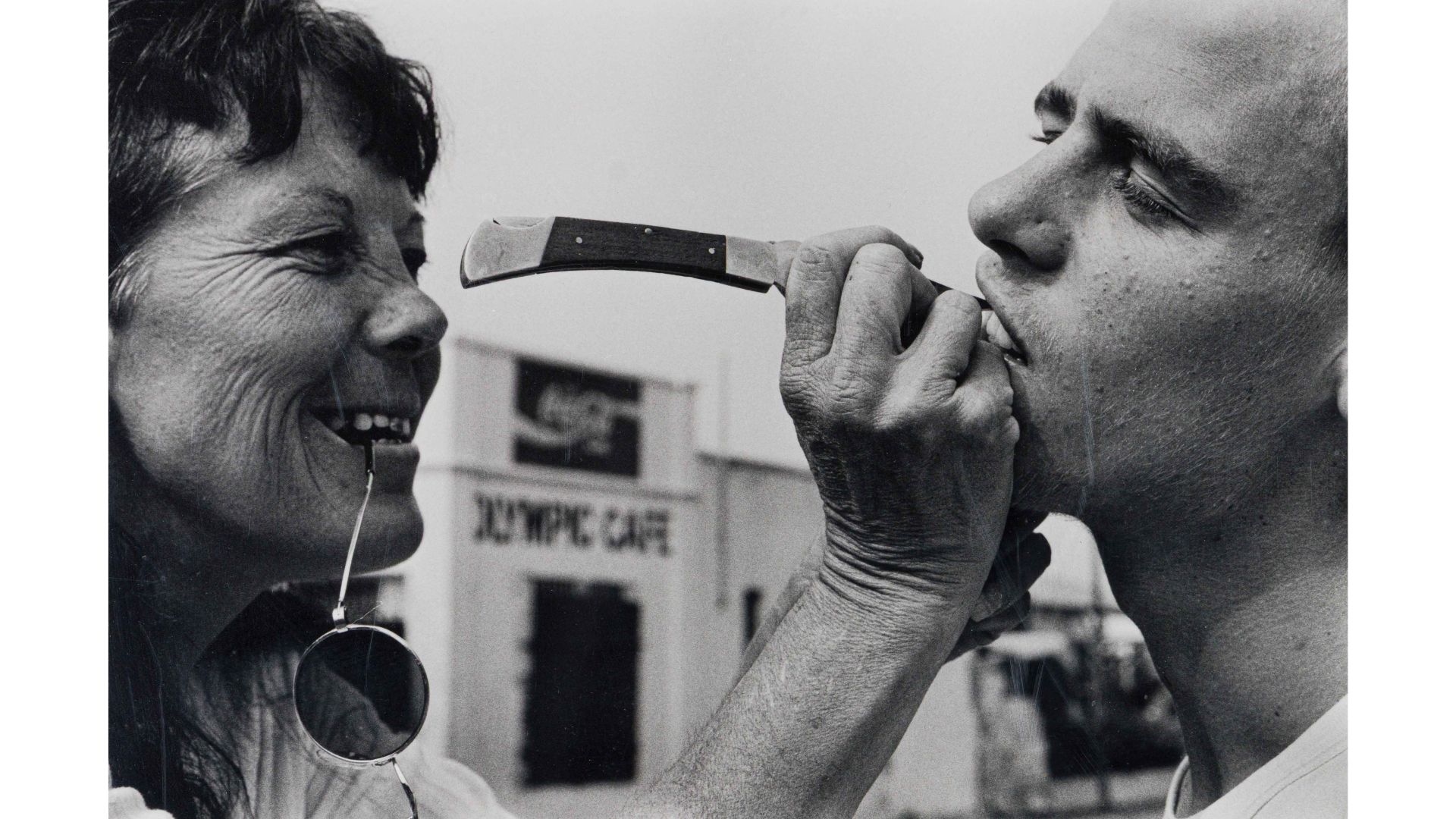
Jodi Bieber, David Jakobie, 1995, Between Dogs and Wolves – Growing up with South Africa Series, 2005
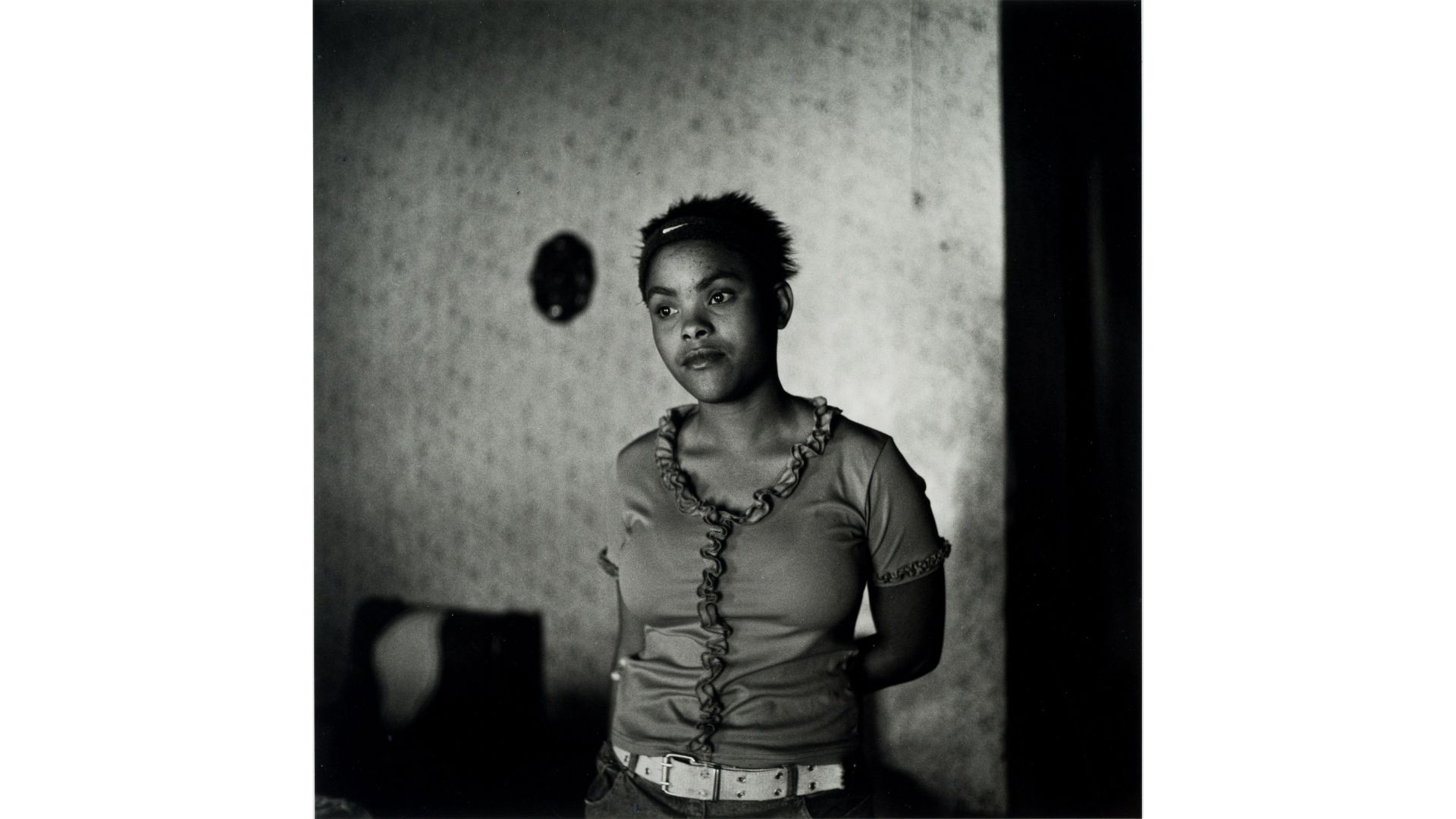
Greg Marinovich, Daughter of Aids Sufferer, She has a Young Daughter Herself, Tugela Ferry, 2005
Which condition issues should I be on the lookout for?
Strauss & Co’s cataloguers carefully check the condition of each artwork before it goes to auction. You will find notes on the physical state of the works in condition reports that can be requested from the lot pages on our website.
Common condition concerns that can be found in photographic prints are: fading or yellowing from exposure to light, foxing from humidity or oxidation and creases or scratches from handling. The extent of the damage may affect the value of the work, which highlights the importance of archival framing and taking care with the installation or storage of your prints.
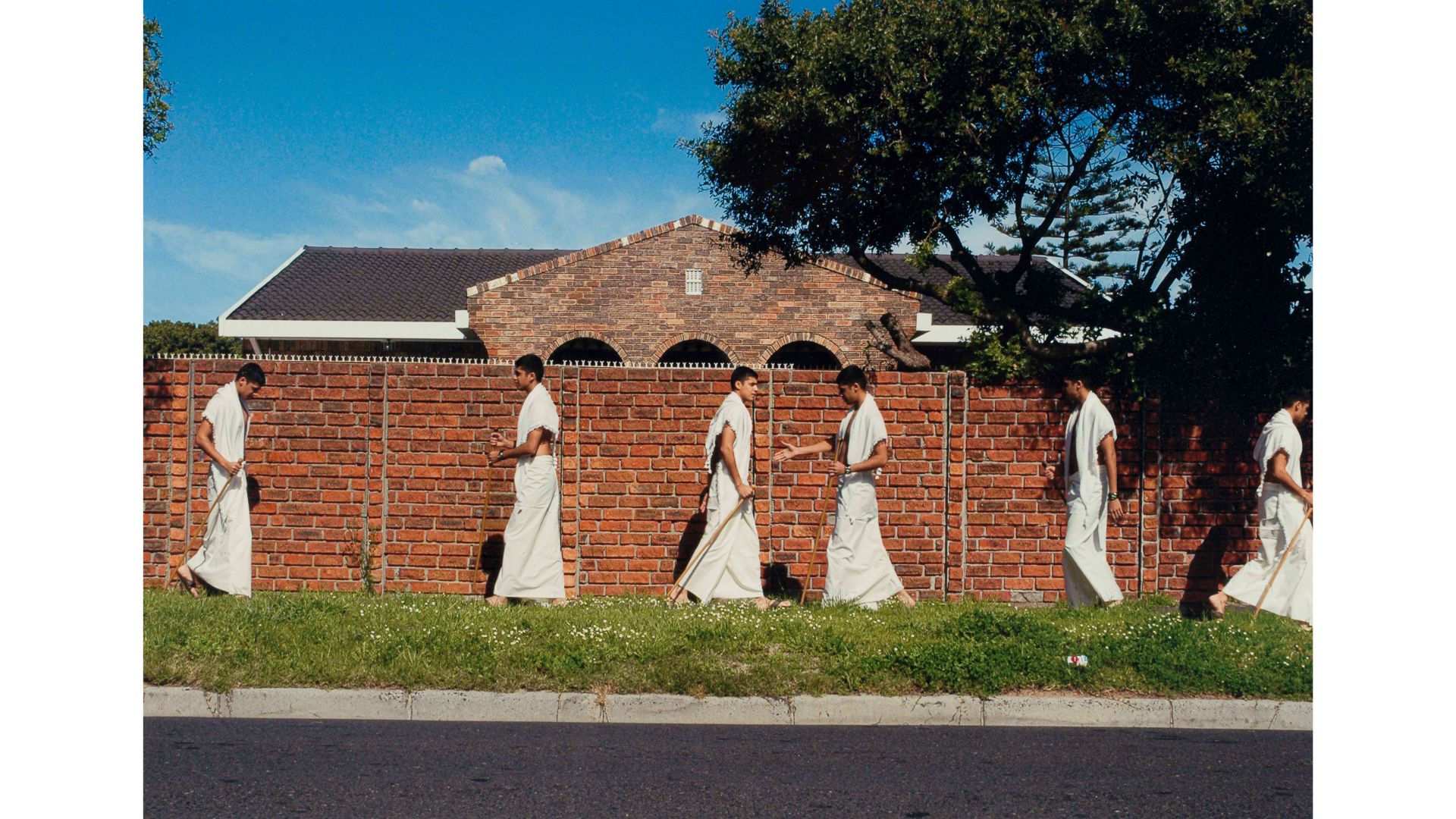
Hasan Essop and Husain Essop, Penlyn Avenue, 2006
Whose work should I be collecting?
The advice is simple for those wanting to invest in photographs to cherish and display in their homes for many years to come: go with what naturally catches your eye or moves you. Our personal tastes are shaped by many different factors, which is why Strauss & Co offers such a wide variety in its sales.
For collectors looking to buy pieces from big names who dominate the secondary market, there are important South African photographers included in our photography sale, like Jodi Bieber, David Goldblatt, Pieter Hugo, Greg Marinovich, Zanele Muholi and Guy Tillim.
And, if you are focused on acquiring pieces for their potential growth in value as artists become more widely recognised and demand for their work in the market increases, Framing a New Nation also presents a selection of works by Hasan and Husain Essop, who are part of a generation of visual artists exploring their culture and identity in a complex modern age.