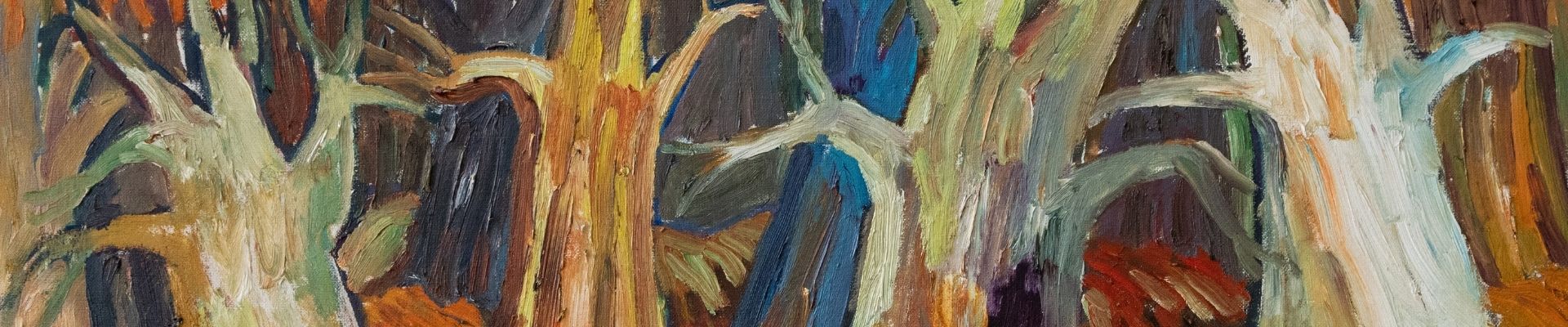
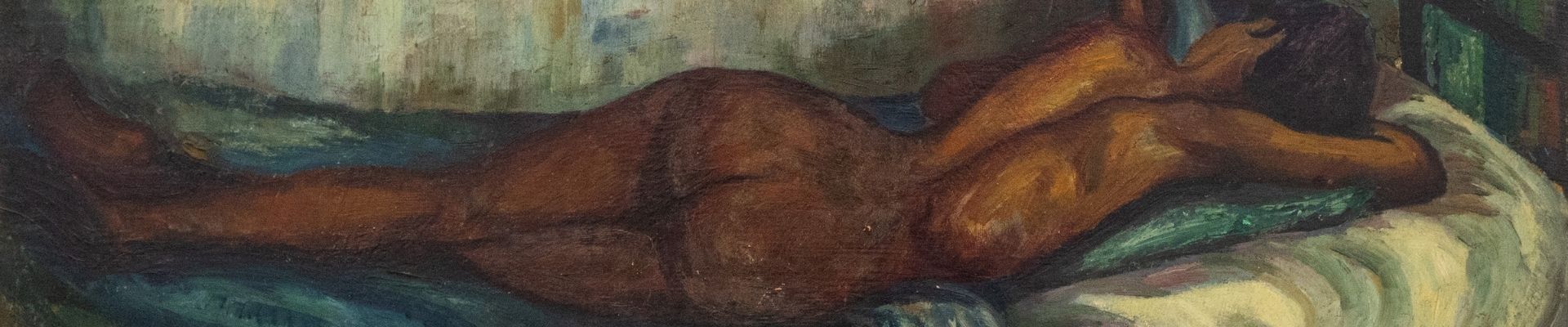
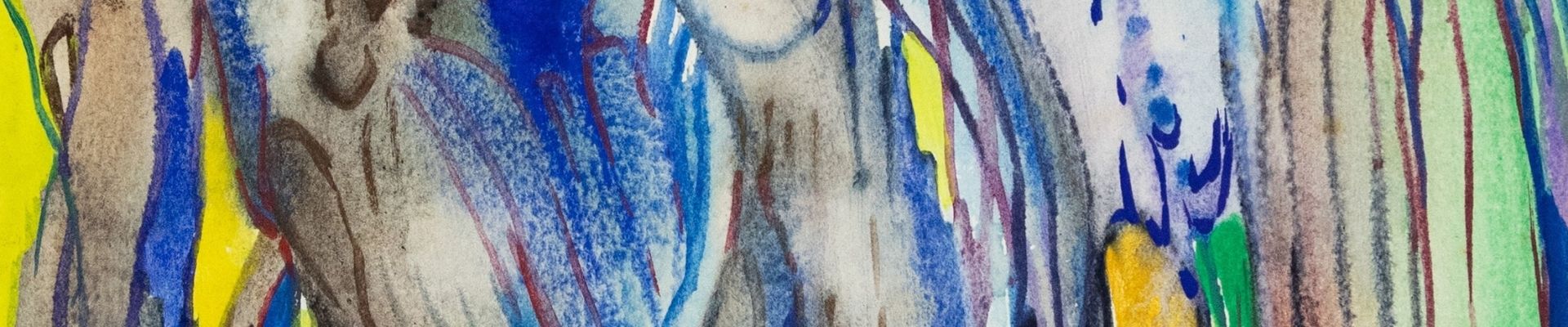
Since its independence in 1957, Ghana has become a pivotal country in the debate on African independence and the building of political unity on the continent. This is thanks to the leadership of Kwame Nkrumah, who emerged as the leader of the first independent nation in sub-Saharan Africa, serving as a model and inspiration for the rest of the continent.
Art in Ghana is profound and diverse. In many instances, artists draw on the traditions of peoples such as the Akan and Ewe. From this traditional perspective, elements such as kente cloth, Adinkra symbols, gold art, wood carving, and decorative coffins (a tradition that became very popular starting in the 1950s) represent a cultural transition that laid the foundation for Ghana’s art history.
After independence, Kofi Antubam (1924–1964) ushered in Ghanaian modernism, integrating Adinkra symbols into functional art, such as furniture for the parliament of the newly independent country. In sculpture, we find pioneering figures like Oku Ampofo (1908 – 1998), who explored new techniques while maintaining local roots. Photography was introduced in the 19th century and served as a bridge to document significant changes and struggles for independence.
El Anatsui (1944) is considered one of the most influential figures, through his installations made from recycled metal bottle caps, which explore debates on colonialism and globalisation. Ablade Glover (1934) is another celebrated Ghanaian artist whose vibrant and bustling paintings capture the spirit Ghana’s marketplaces and urban landscapes. Ibrahim Mahama (1987) is another name that stands out. He draws on the legacy of Kofi Antubam, exploring installations, and integrating symbolism and contemporary elements into his work.
Sculpture is as a prominent medium in Ghana’s art scene. Joseph Tetteh-Ashong, known as Paa Joe (1947), is one of the country’s most significant coffin carpenters. Invoking Ga traditional funerary rites, he crafts unique sculptural containers of inanimate objects that typically celebrate the life and personality of the deceased.
Ghanaian art continues to evolve, combining traditional techniques with modern approaches to address issues of identity, history, and creativity. Kumasi is a city in the centre of the country that, through its cultural hub, has become the heart of Ghana’s artistic revolution, emerging as a vital centre for the development of art movements. Accra’s art scene has become a major hub, featuring vibrant galleries and artists committed to redefining the country’s identity. Amidst this, Nubuke Foundation in East Legon, Accra, is an important arts and culture centre that has been supporting local artists since 2006.
Strauss & Co welcomes consignments of rare, secondary market works from the 1960s to 1990s, as well as contemporary pieces by artists from Ghana. Collectors interested in consigning works from Ghana and beyond are encouraged to contact us.
Top 10 Ghanaian Artists