Pieter Hugo
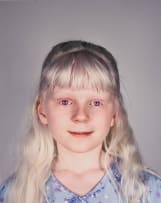
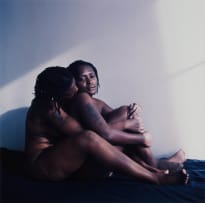
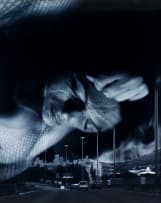
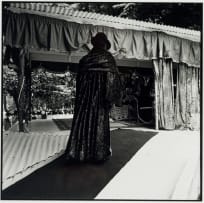
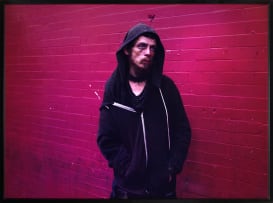
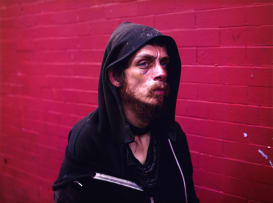
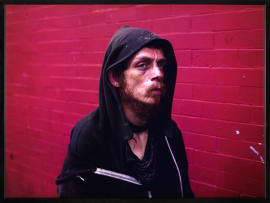
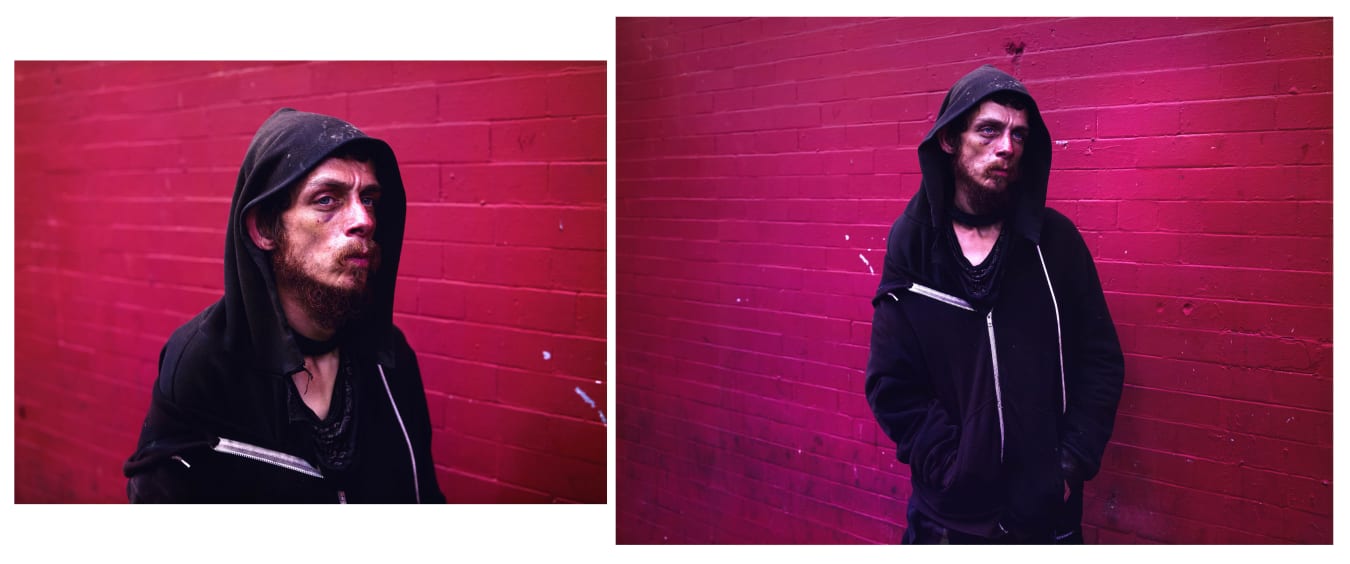
Untitled, Californian Wildflowers Series, diptych
About the SessionFraming a Nation: The Garth Walker Photography Collection and Other Properties presents a selection of photographs from the personal archive of acclaimed graphic designer and photographer Garth Walker. Born in Pretoria, he trained at Technikon Natal in the 1970s, where he met artist Stephen Inggs, a life-long friend. Walker emerged as a pivotal figure in South African graphic design and visual culture in the 1990s through his design firm Orange Juice Design. In 1995 he launched the influential print magazine i-jusi as a platform to showcase new graphic design, typography and illustration. Later issues were sometimes exclusively devoted to photography.
Prominent artists featured in i-jusi included Roger Ballen, Conrad Botes, David Goldblatt and Anton Kannemeyer. It has been exhibited in over 25 countries and is held in the collections of the Museum of Modern Art, New York, Victoria and Albert Museum, London, and Bibliotèque Nationale d'France, Paris. Beyond the magazine, Walker is best known for the unique, custom typeface he produced for the Constitutional Court of South Africa in 2004. Inspired by street typography and prison graffiti, his typography is featured on the court’s building façade.
A longstanding collector, notably of Zulu headrests and nineteenth-century KwaZulu-Natal photography, Walker began acquiring contemporary South African photography in the early 2000s. His choices were instinctual and guided by his interest in vernacular design and the country’s rich documentary photography tradition. He acquired early works by Pieter Hugo, Zanele Muholi and Guy Tillim, before their international rise to prominence. His collection includes personal documentary work by the award-winning photojournalists Jodi Bieber and Greg Marinovich, as well as an important photo from 1965 by David Goldblatt taken at Hartebeespoort Dam north of Johannesburg. The influence of American documentary registers in his holdings of Stephen Shore and Rosalind Fox Solomon.
A highlight of this auction is the inclusion of i-jusi Portfolios #1, #2 and #3, produced to sustain the magazine’s independent publication and featuring seminal works by South African artists. Portfolio #3, with a photographic focus curated by Pieter Hugo, underscores the collaborative impulse shaping this material. The collection offers a rare opportunity to acquire works from a defining moment in the evolution of post-apartheid visual culture.


LOT 23
Pieter Hugo
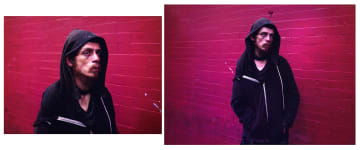
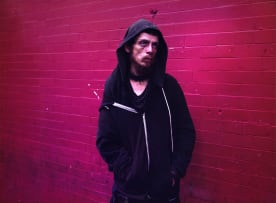
Untitled, Californian Wildflowers Series, diptych
About this Item
from an edition of 1; each inscribed with the artist's name, the number, the title and medium on Aperture Foundation labels adhered to the reverse; accompanied by Stevenson labels and certificates of authenticity, two labelled Stevenson and two labelled Aperture Foundation, each signed, dated 2014, numbered AP1, inscribed with the artist's name, the title and the medium
Provenance
Aperture Foundation/Stevenson.
The Gary Eisenberg Collection.
Notes
"[Californian Wildflowers] was taken in the Tenderloin District of San Francisco and Skid Row in Los Angeles where I photographed a wide spectrum of homeless people. There are big differences, culturally and socially, between San Francisco and Los Angeles. In South California homelessness is criminalised; Skid Row is aggressive, the police are gung-ho and it is all about race. By contrast, in North California the police are tolerant and sympathetic, and you do not feel threatened on the street. I first visited San Francisco two decades ago; it is the only place I have been mugged. Even now, the city still has vestiges of the freak scene of the 1960s. But the economic impact of Silicon Valley and the digital economy is palpable. The city is facing an identity crisis. The Tenderloin is exempt from some of it because the majority of its buildings are owned by non-profit organisations with no interest in benefiting financially from gentrification. It feels like an anarchic community in the midst of a crazy boom.
Homelessness is one word that covers a range of different situations. I met people with mental disorders, addicts, victims of the 2008 recession, war veterans, men and women who had made bad lifestyle choices, as well as people who for whatever reason liked living rough. Notwithstanding their terrible circumstances, which are real and inescapable, there is something quite ecstatic in the poses and gestures of the people I photographed. A lawlessness too. It required a very different way of working to what I have become accustomed to. For starters, no tripod and no lights. Normally, I ask for permission to take someone's portrait: here, it was not always possible as people were often out of it. The series includes a number of diptychs. At the time I was reading a short story by James Salter in which he describes seeing his wife as all the non-idealised pictures he had taken of her and thrown away. I liked this idea. I think I was trying to get away from the photograph as monument with this series, allowing more accidents to happen in my portraits.
I am not unfamiliar with homelessness. The streets around my studio in Cape Town are home to a large population of unhoused poor. Their number probably exceeds that in California. I have made portraits of homeless people in South Africa. It is a fraught genre, so often linked to a moralizing stance. I understand the imperative to witness, especially in South Africa, but I am not interested in having my own photography become a vehicle for a moral crusade against poverty, capitalism or the uncaring state. I tried to remain true to this instinct in my work in California."1—Pieter Hugo
1. Pieter Hugo (2016) Pieter Hugo, Californian Wildflowers (2015), online, accessed 14 April 2026.
More from Framing a New Nation