Unrecorded artist, Zulu Peoples
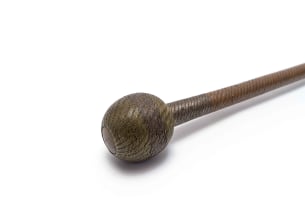
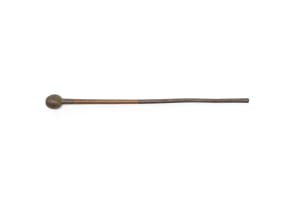
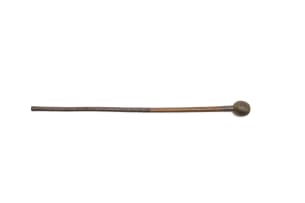
Iwisa, ceremonial prestige club
About the SessionFibre links to Form through finely crafted personal objects, including rare nineteenth-century items.
LOT 96
Unrecorded artist, Zulu Peoples
Iwisa, ceremonial prestige club
Incl. Buyer's Premium & VAT
About this Item
Notes
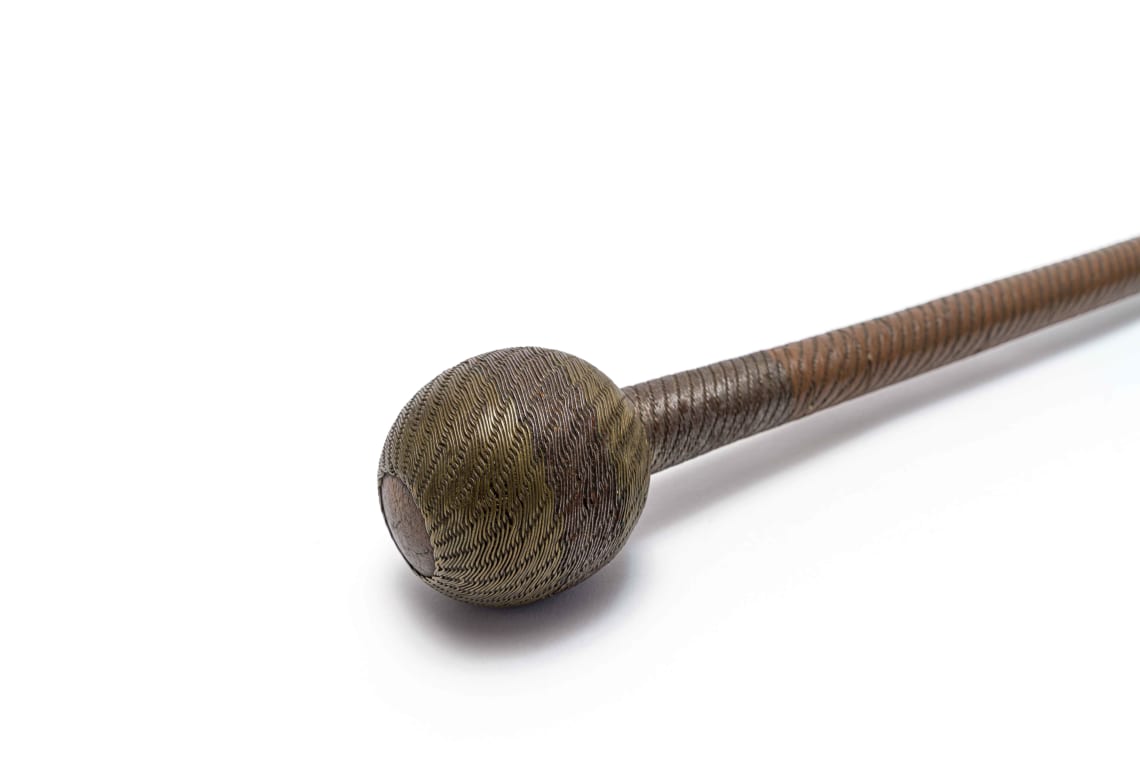
Iwisa or prestige sceptre. The form of this wire-bound club is consistent with Zulu prestige knopkieries.
Key traits include the spherical wooden head and a shaft wrapped in tightly coiled decorative wire. The presence of three-tone metal wire—typically combinations of brass, copper, and iron—strongly aligns with Zulu traditions, where two- or multi-tone wire patterns were intentionally used to denote rank or distinction. Elaborate wirework reflected both the bearer's prestige and the artisan's skill. Among the Zulu, such items primarily served as ceremonial objects and rank insignia, not weapons. Carried by chiefs or military leaders, they signified authority and status during rituals and public events.
These staff were more than visual markers; they embodied power, leadership, and cultural identity. Zulu symbols of elite status. The use of metal wire, particularly brass and copper, carried connotations of wealth and legitimacy within the Zulu socio-political hierarchy.
Nicholas G. Maritz is a South African academic and collector known for assembling important holdings of traditional southern African art. When the University of Potchefstroom closed its Anthropology Museum in the early 2000s, Maritz obtained several objects from its former holdings. The wire-bound club in question entered Maritz’s collection through this deaccession process before being incorporated into his broader assembly of Nguni material culture.
Provenance
Michael Heuermann, Nicholas Maritz, Anthropology Museum- University of Potchefstroom.
View all Unrecorded artist, Zulu Peoples lots for sale in this auction
More from Woven Legacies: Fibre & Form