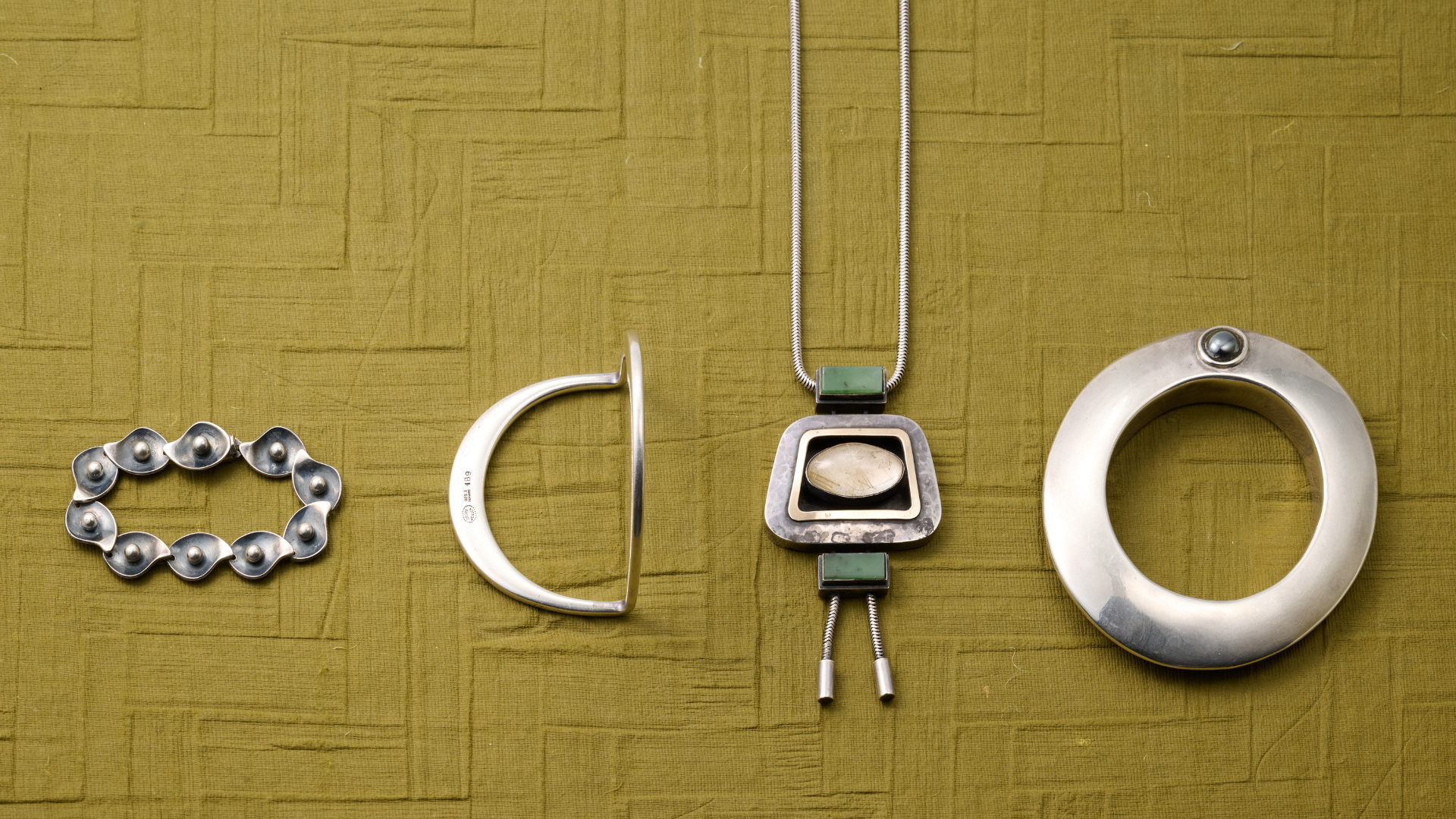
Why Mid-Century Jewellery Still Feels Modern
7 Aug 2026
Good design rarely belongs to one era. More than 50 years after mid-century design influences transformed architecture, furniture and interiors, its impact is still visible in jewellery.
Its appeal lies in simplicity. Rather than relying on elaborate decoration, mid-century designers favoured clean lines, sculptural forms and carefully considered proportions. Each curve had a purpose and every surface treatment was deliberate. Jewellery was designed to become part of everyday life rather than something reserved for special occasions. That thinking remains current, supported by the idea of expressing personal style and wearing beautiful objects that bring one joy.
As contemporary interiors continue to favour natural materials, craftsmanship and uncluttered spaces, mid-century jewellery sits comfortably alongside a modern wardrobe. A sculptural silver bangle or an organic gold pendant communicates tasteful design rather than nostalgia. Danish silversmith Georg Jensen is one of the most influential figures in 20th-century design. Born near Copenhagen in 1866, Jensen first trained as a sculptor before returning to metalwork, a decision that would define his career alongside that of Scandinavian design. In 1904, he established the company that still bears his name, developing a distinctive style that softened the flowing forms of Art Nouveau into cleaner, more restrained ones. Jensen won many awards for beautifully crafted objects he believed relevant to everyday life, not to be protected behind glass or reserved for formal occasions. While silver became his signature material, it was never simply about the metal. His jewellery is notable for its sculptural quality, fluid silhouettes and quiet confidence, qualities that continue to resonate with collectors more than a century later.
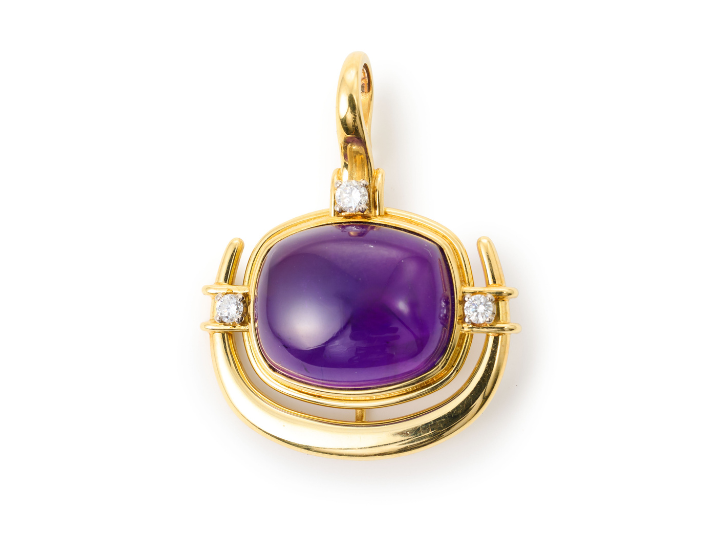
Otto Poulsen Jewellers, Amethyst and diamond pendant
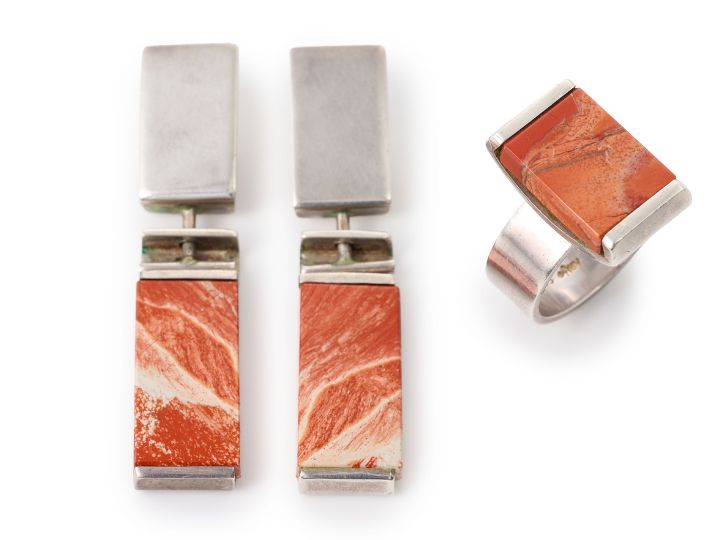
Erich Frey, Red jasper ring and earring suite
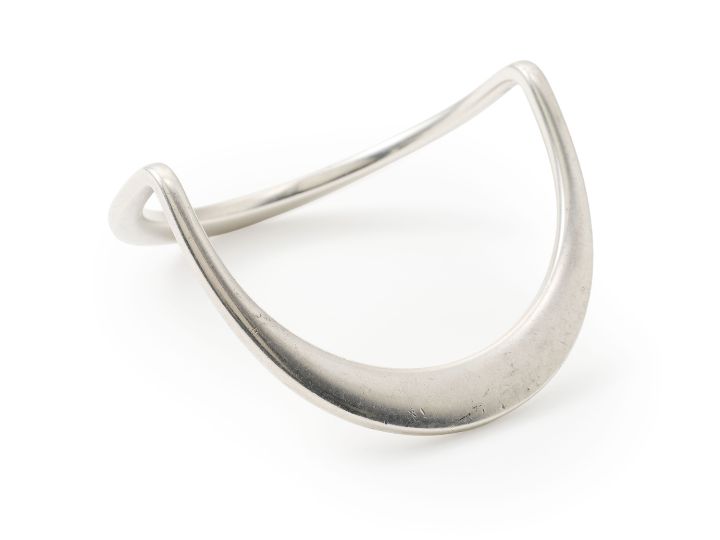
Georg Jensen and Ibe Dahlquist; Georg Jensen modernist bangle, model 189, Ibe Dahlquist, Denmark, c.1970s
That same philosophy found an unexpected home in South Africa through Danish-born jeweller Otto Poulsen. Born in 1928, Poulsen trained at the Danish Art School before completing his apprenticeship with Georg Jensen. Drawn by South Africa’s landscape and wildlife, he settled in Durban during the early 1960s after first working in Johannesburg alongside Kurt Jobst. His jewellery reflected the principles he had learned in Denmark as he developed a character entirely his own. Every piece was made by hand. Poulsen refused to cast or mass-produce his work, convinced that each design should remain unique. Similar ideas might appear across his collections, but no two pieces were ever identical. He was known for creating jewellery around the personality and features of the individual wearer, combining clean architectural lines with an obvious love of colour and natural gemstones. That appreciation for natural materials is evident throughout his work. Amethyst appears in a richly coloured pendant and ring; pearls bring softness to diamond earrings; sapphires introduce strong architectural colour; while lapis lazuli and tiger’s eye celebrate the individuality of each stone rather than overwhelming it with elaborate settings. Even today, these gemstones continue to appeal for the same reason: their natural character needs very little embellishment.
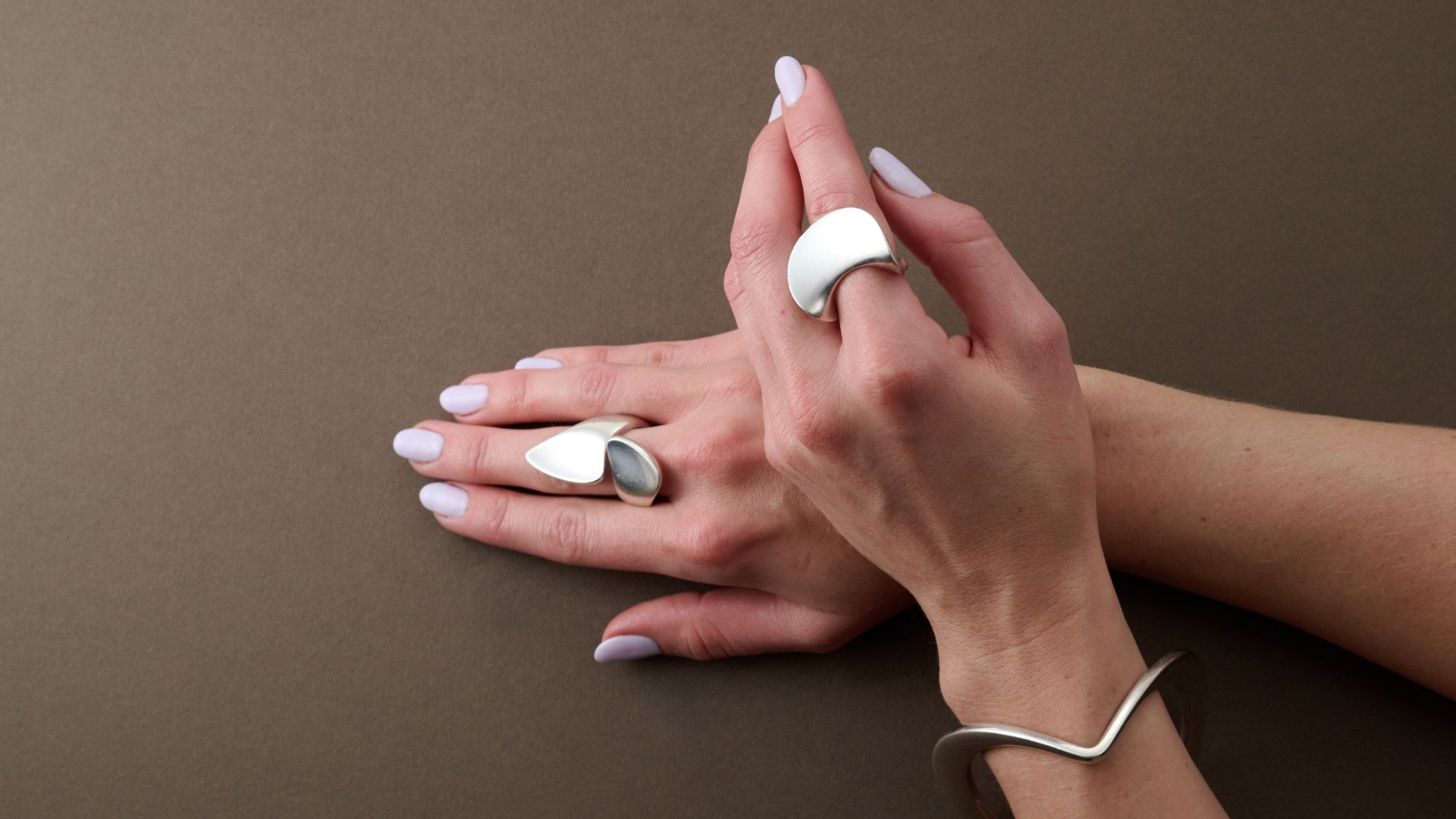
Other standout pieces from the era include work by South African modernist Erich Frey, whose bold red jasper jewellery reflects the same sculptural approach. Jasper’s earthy colour and distinctive pattern become part of the design itself, demonstrating the mid-century preference for letting materials shine. Together, these designers tell a broader story. During the 1970s, many members of the Goldsmiths Guild of South Africa had trained at leading European institutions before developing a distinctly South African identity. Inspired by local gold, diamonds, semi-precious stones and African landscapes, they embraced the same belief that had guided Jensen decades earlier: jewellery should be wearable art, made by hand and designed for everyday life. That explains why mid-century jewellery feels relevant today. Neither trend-driven nor whimsical, it values thoughtful design, exceptional craftsmanship and pieces that become part of the person who wears them.
These ideas come together in Strauss & Co’s September 2026 Mid-Century Modern sale, where jewellery by Georg Jensen, Otto Poulsen, Erich Frey and other leading designers is offered alongside furniture, decorative arts and design from the same period. Seen together, they reveal how one movement shaped not only the way people furnished their homes, but also how they chose to wear design itself.