Faces of Cape Town: Portraits by Irma Stern
13 Apr 2026
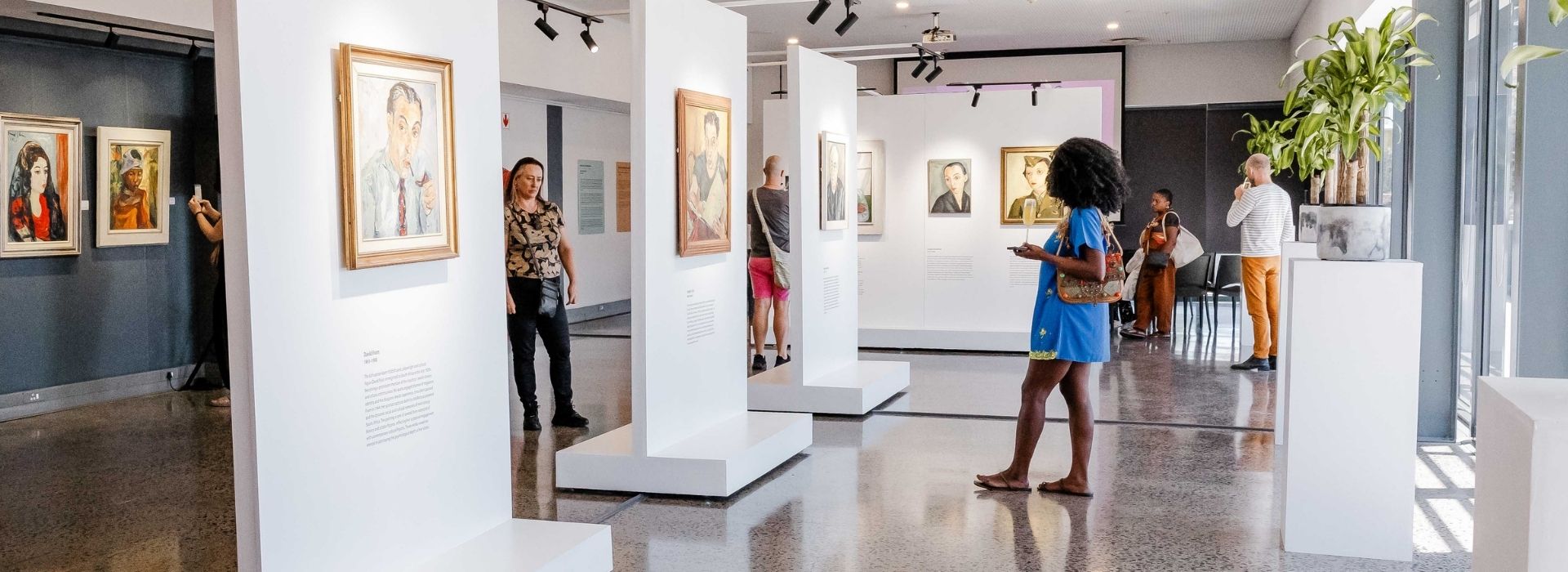
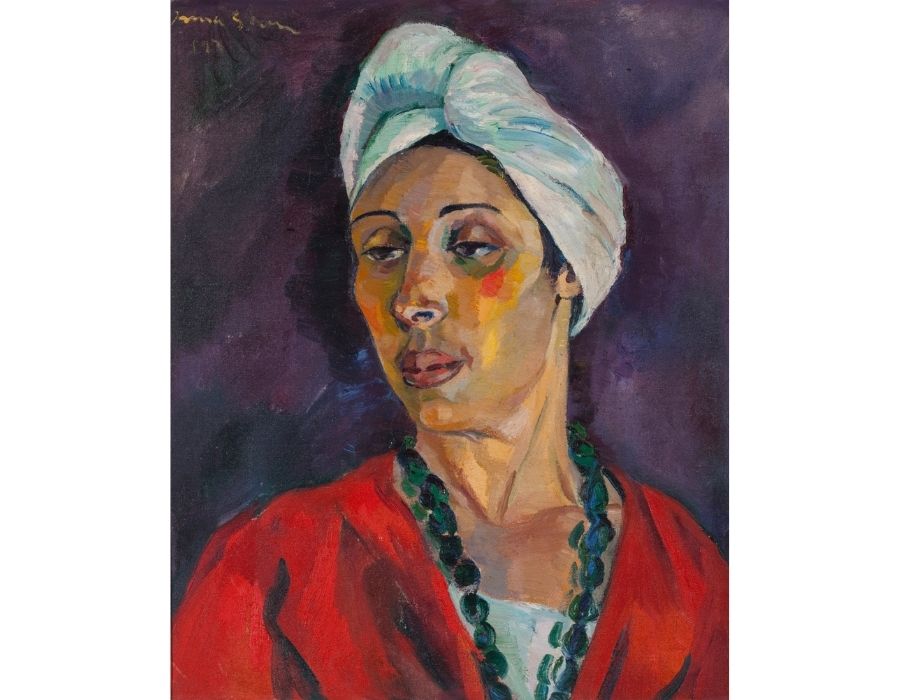
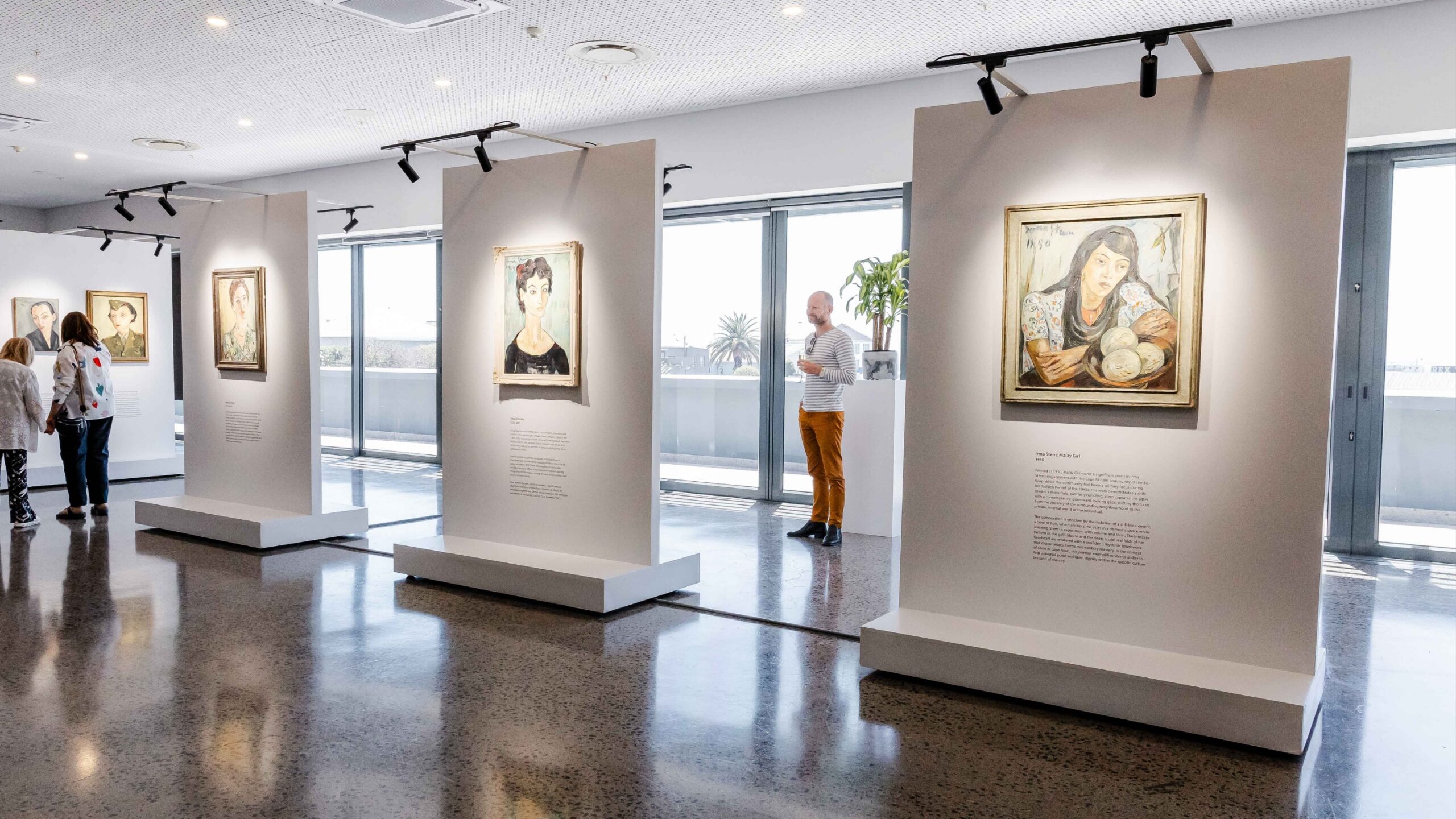
Strauss & Co, in partnership with Brickfield Canvas, presented Faces of Cape Town: Portraits by Irma Stern (14 February – 23 February 2026), a capsule exhibition showcasing a selection of portraits drawn from the Irma Stern Trust Collection.
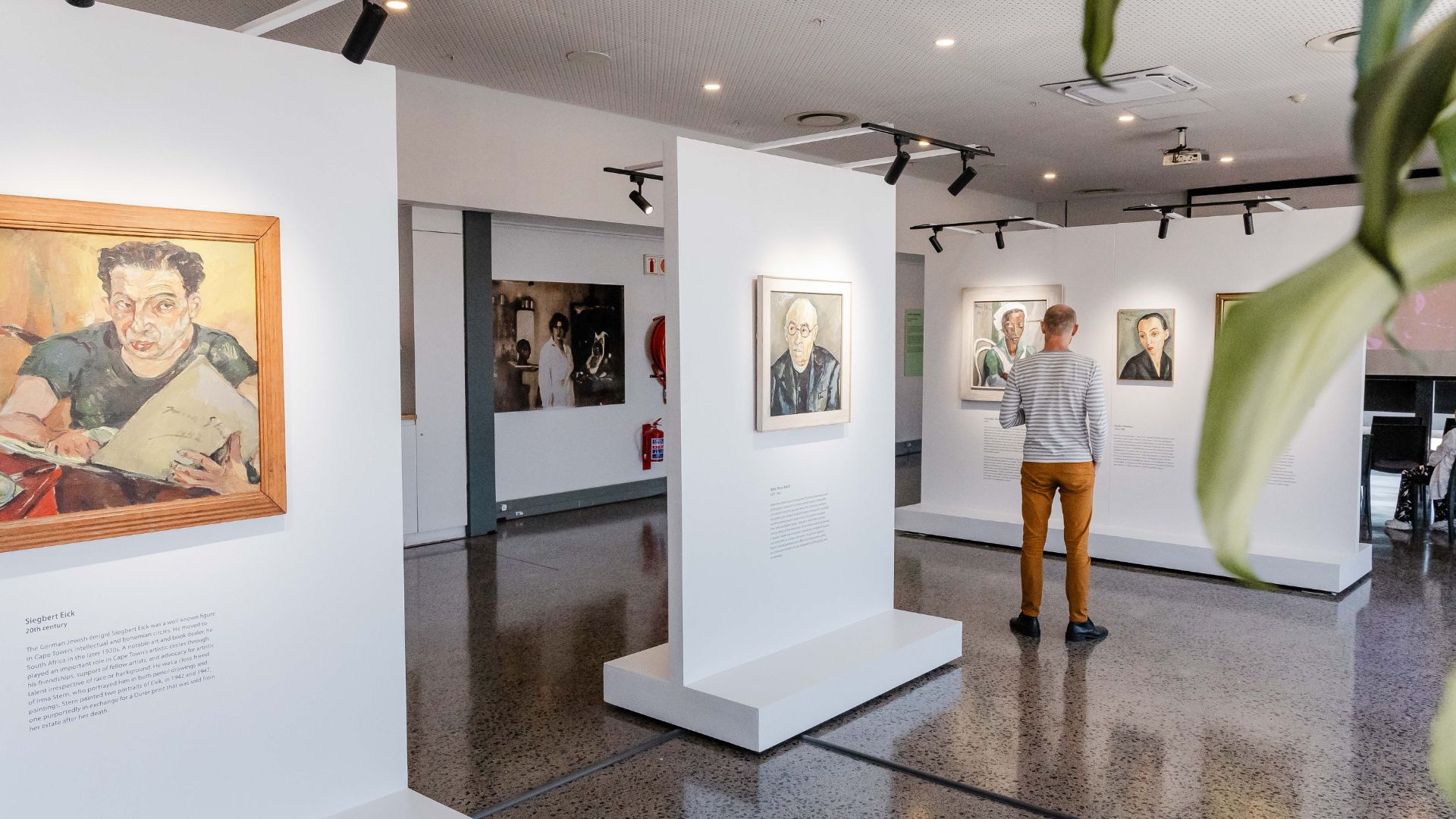
The exhibition offered a rare opportunity to view Stern’s deeply human depictions of the people who shaped her Cape Town world, from well-known cultural figures to lesser documented sitters whose stories live on through her work.
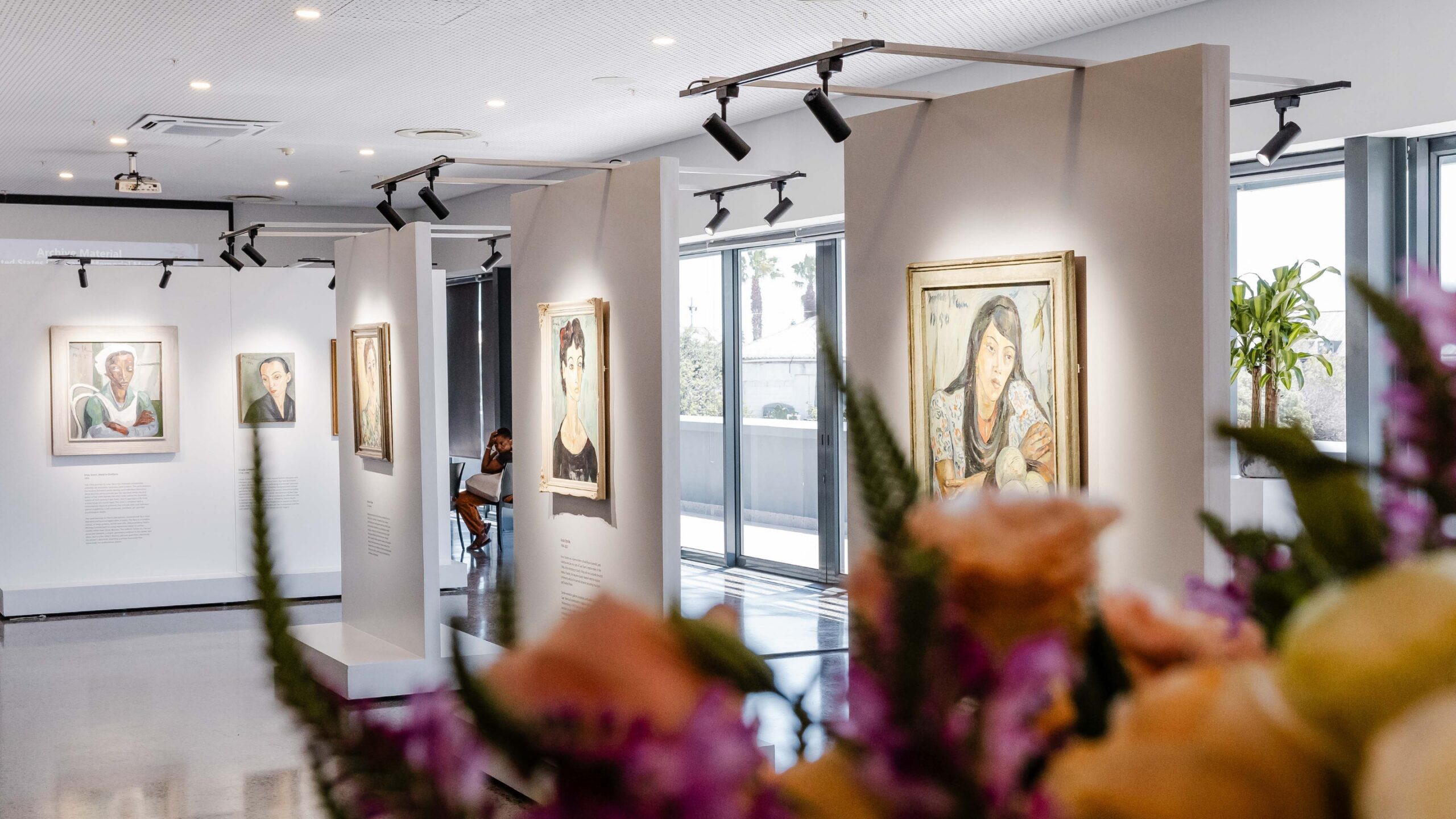
Curated with guest curator Karel Nel, the exhibition brought together a series of portraits that showed Stern’s commitment to her subjects from a painterly point of view, rather than their social status. The exhibition also revealed much about Stern’s Cape Town milieu through the 20th century, with many of the subjects drawn from her circle of creative and intellectual friends. But Stern brought the same nuance and expressionist passion and brushwork to a portrait of her formidable and influential friend Roza van Gelderen as she did to the fascinating portrait of the Maid in Uniform.
The Cape Town Portraits exhibition was presented by Strauss & Co as a companion to The Berlin Years, the opening exhibition in the major new series Irma Stern: A life of displacement, presented by the Norval Foundation in partnership with the Irma Stern Trust and supported by Nedbank.
The Berlin Years explores Stern’s early artistic development amid the upheaval of pre‑war Europe, in particular, her childhood commitment to becoming an artist, her German artistic education and her important contact with Max Pechstein and the German Expressionists. The Strauss & Co capsule exhibition turned attention specifically to her life in Cape Town, which ultimately anchored her long, prolific career and was her home base on her many travels.
Portraits from a life in motion
Though Stern travelled widely across Africa and Europe, Cape Town remained her creative and emotional centre. The portraits featured in this exhibition carry the curiosity and complexity that defined her relationships with the city’s people, many of whom were outsiders in some way, much as Stern’s own identity as a white Jewish, female artist whose identity was caught between two continents and a complicated set of political and social dynamics.
Focused, intimate, and character driven, the portraits offer a lens into Stern’s evolution as an artist after her decision to make South Africa her permanent home, as well as a view onto her perception of Cape Town and its varied and diverse people. The portraits form an important window into her earlier work exploring people and identities in pre-war Germany that guides the larger exhibition taking place at the Norval Foundation.
With the Irma Stern Museum at The Firs temporarily closed for urgent conservation work, this type of collaboration ensures that Stern’s work remains accessible to the public. Strauss & Co views its own role in the upholding of Stern’s legacy, along with the Norval Foundation, the Irma Stern Trust and Nedbank, as crucial to the ongoing education of the South African and international public about the artistic legacy and heritage that Stern represents for South Africa.
The Portraits
Ursula Schwittay
1918–1996
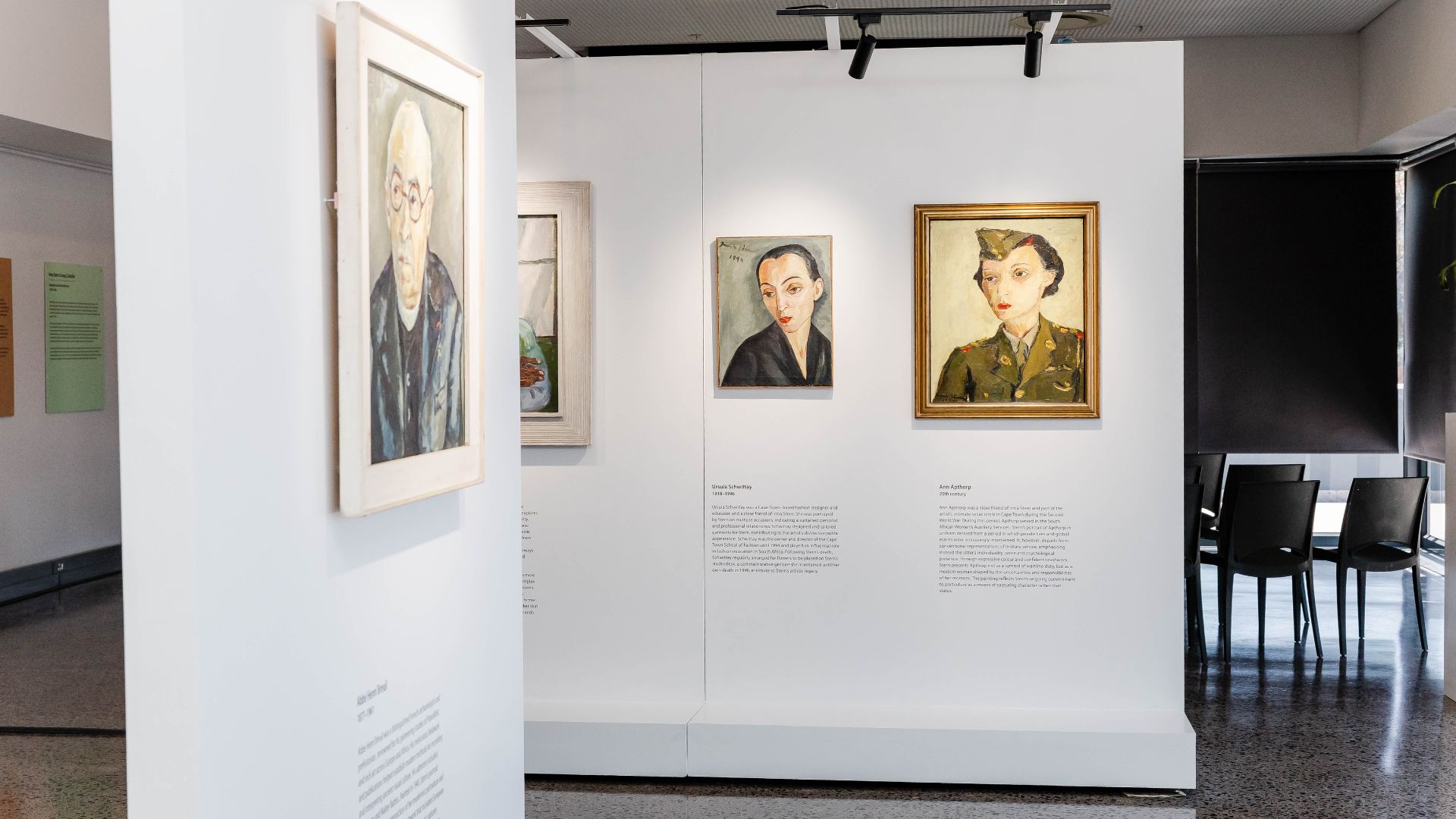
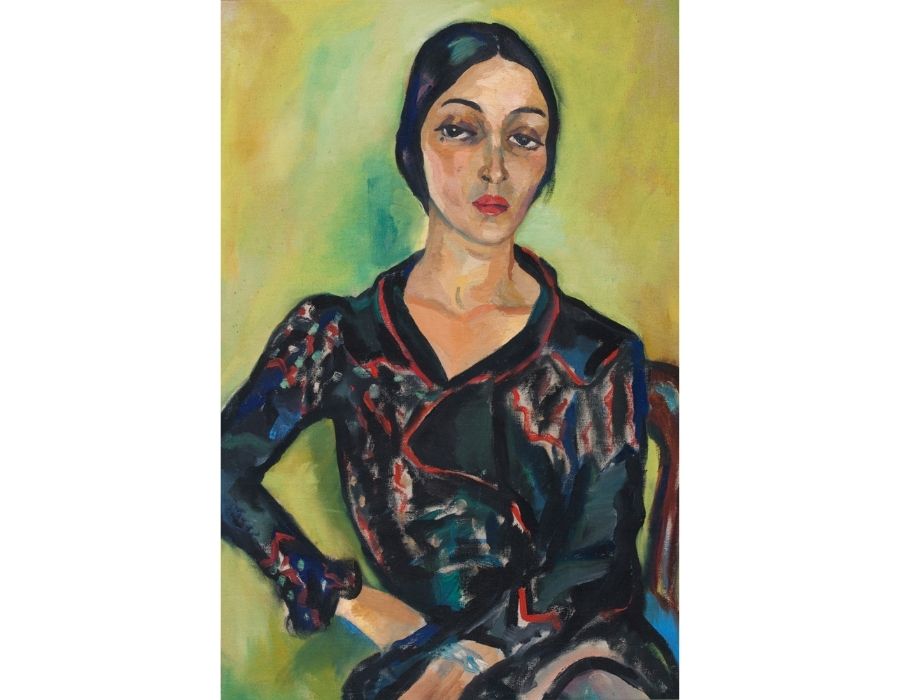
Ursula Schwittaywas a Cape Town–based fashion designer and educator, and a close friend of Irma Stern. She was portrayed by Stern on multiple occasions, indicating a sustained personal and professional relationship. Schwittay designed and tailored garments for Stern, contributing to the artist’s distinctive public appearance. Schwittay was the owner and director of the Cape Town School of Fashion until 1994 and played an influential role in fashion education in South Africa. Following Stern’s death, Schwittay regularly arranged for flowers to be placed on Stern’s studio desk, a commemorative gesture she maintained until her own death in 1996, in tribute to Stern’s artistic legacy
Anna Starcke
1936–2025
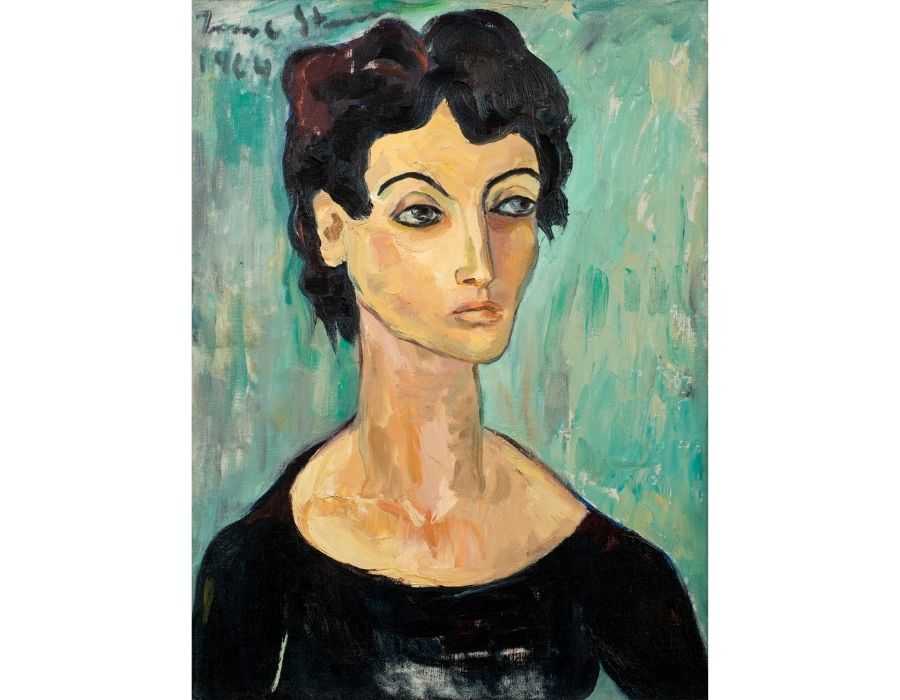
Anna Starcke was a German-born cultural figure, journalist, and collector who became part of Cape Town’s creative milieu in the 1960s. After relocating to South Africa with her husband, the artist Helmut Starcke, she became closely involved with the local art community and sat for portraits by artists including Irma Stern and Stanley Pinker.
Starcke worked in galleries, boutiques, and bookshops in Cape Town and contributed to magazines before relocating Johannesburg in 1970. There she joined the Financial Mail and later served as editor of Management magazine, gaining recognition for her incisive writing on South African politics and socio-economic issues.
Over several decades, Starcke assembled a significant and discerning collection of more than 150 works of African art, encompassing West and Central African traditions. The collection was offered at auction by Strauss & Co in November 2025.
Rebecca Hourwich Reyher
1897–1987
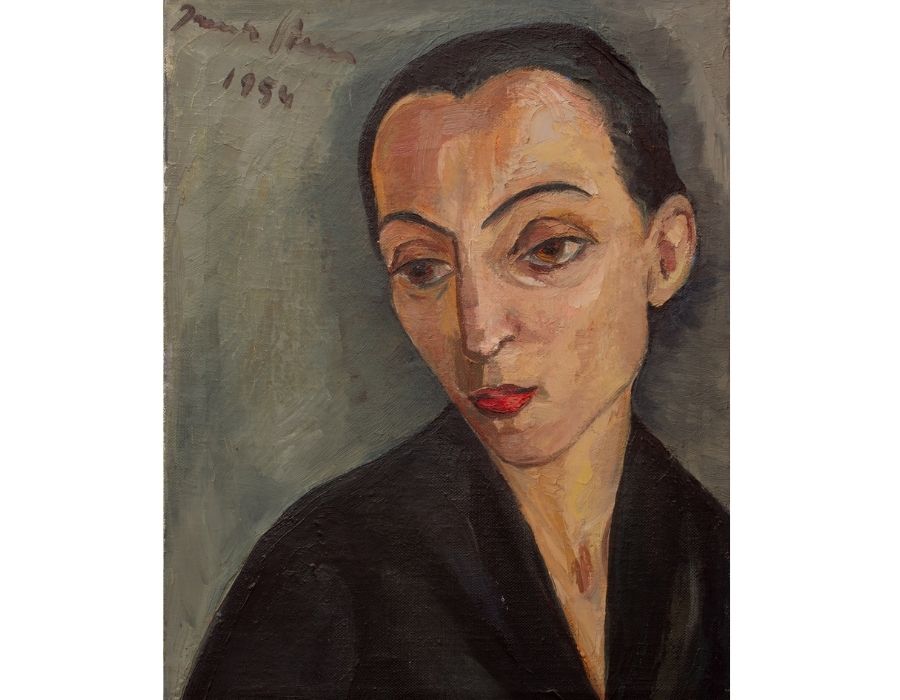
Rebecca Hourwich Reyher was an American author, lecturer, activist and cultural mediator whose wide-ranging career encompassed women’s suffrage, journalism, travel writing and cross-cultural advocacy. Born in New York City to Russian immigrant parents, she became involved in the women’s suffrage movement in the United States during the 1910s and later held leadership roles within the National Woman’s Party in New York and Boston.
Reyher’s engagement with the visual arts included a brief but significant association with Irma Stern. Reyher met Stern in 1924 during a six-month trip gathering material for the monthly magazine Hearst’s International. She was immediately struck by Stern’s paintings and subsequently transported works to New York, contributing to their early international exposure. This portrait of Reyher appeared in Stern’s solo exhibition at Ashbey’s Art Gallery in 1925. Reyher delivered the opening address.
Roza van Gelderen
1890–1976
Roza van Gelderenwas a prominent South African educator, cultural organiser, collector and early champion of modern visual culture in Cape Town. Born into a distinguished Dutch-Jewish family that emigrated to South Africa at the turn of the 20th century, van Gelderen qualified as a teacher and became the first Jewish principal of a government school in Cape Town, leading the Central Girls’ School and embracing progressive educational ideals inspired by reformers such as A. S. Neill. Her work in education was characterised by a commitment to artistic, intellectual and social development.
Van Gelderen’s engagement with the visual arts included a lifelong friendship with Irma Stern, who portrayed her in multiple works, including Portrait of a Woman in a Sari: Roza (1929). The friendship was reciprocal: van Gelderen supported Stern’s school initiatives and promoted her work, and Stern contributed illustrations and a mural to van Gelderen’s educational projects. In 1935 van Gelderen donated Stern’s Swazi Girls (1931) to the South African National Gallery. The portraits of van Gelderen attest to her singular presence in Stern’s circle and to the role she played in extending cultural horizons beyond conventional boundaries.
David Fram
1903–1988
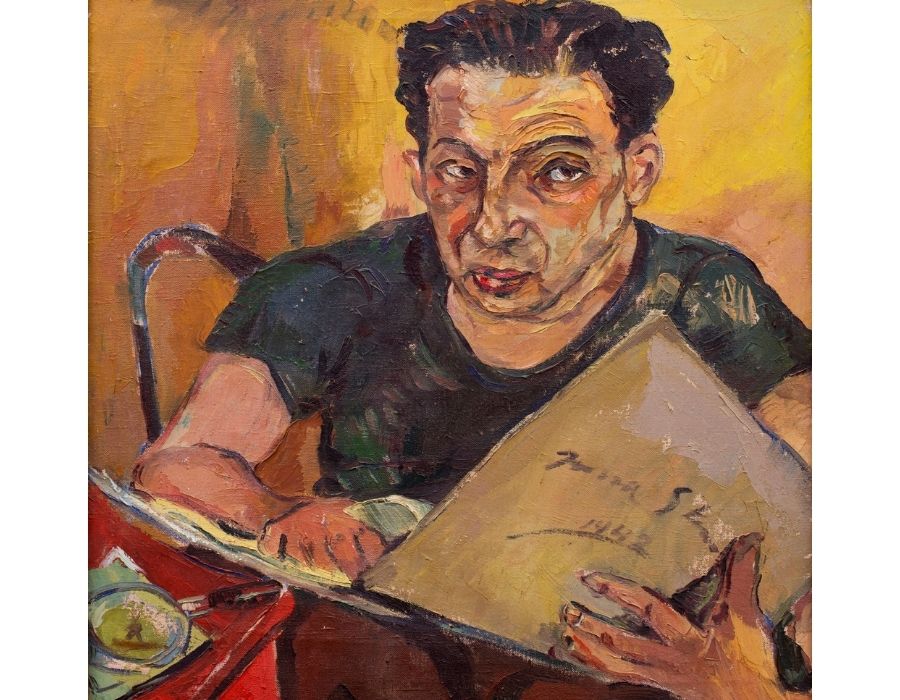
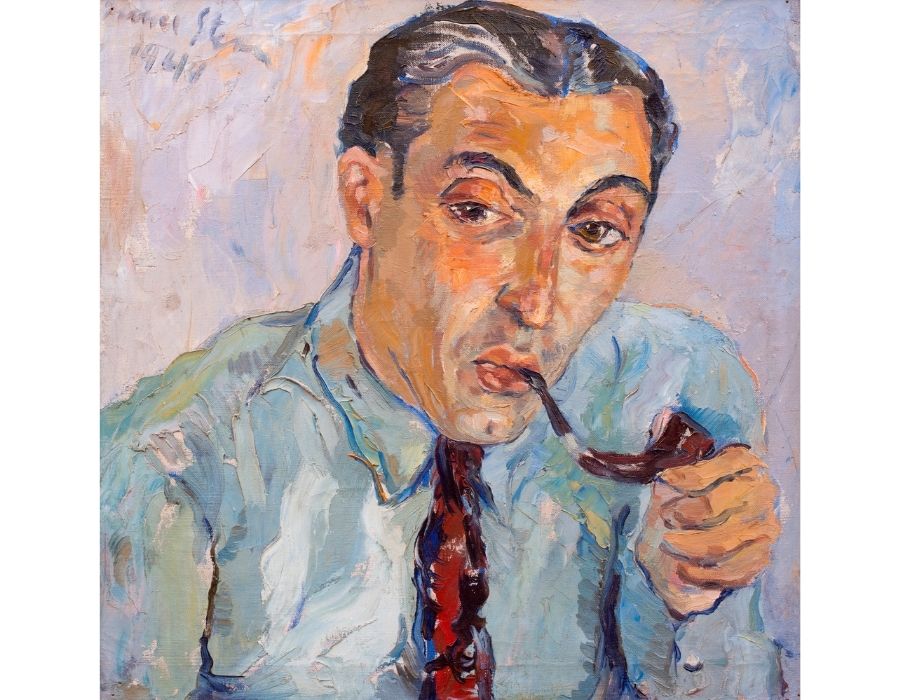
The Lithuanian-born Yiddish poet, playwright and cultural figure David Fram immigrated to South Africa in the late 1920s, becoming a prominent member of the country’s Jewish literary and artistic communities. His work engaged themes of migration, identity and the diasporic Jewish experience. Irma Stern painted Fram in 1944. Her portrait captures both his intellectual presence and the dynamic social and cultural networks of mid-century South Africa. The painting is one of several Stern executed of literary and artistic figures, reflecting her sustained engagement with contemporary cultural figures. These works reveal her interest in portraying the psychological depth of her sitters.
Siegbert Eick
20th century
The German Jewish émigré Siegbert Eick was a well-known figure in Cape Town’s intellectual and bohemian circles. He moved to South Africa in the later 1930s. A notable art and book dealer, he played an important role in Cape Town’s artistic circles through his friendships, support of fellow artists, and advocacy for artistic talent irrespective of race or background. He was a close friend of Irma Stern, who portrayed him in both pencil drawings and paintings. Stern painted two portraits of Eick, in 1942 and 1947, one purportedly in exchange for a Dürer print that was sold from her estate after her death.
Abbé Henri Breuil
1877–1961
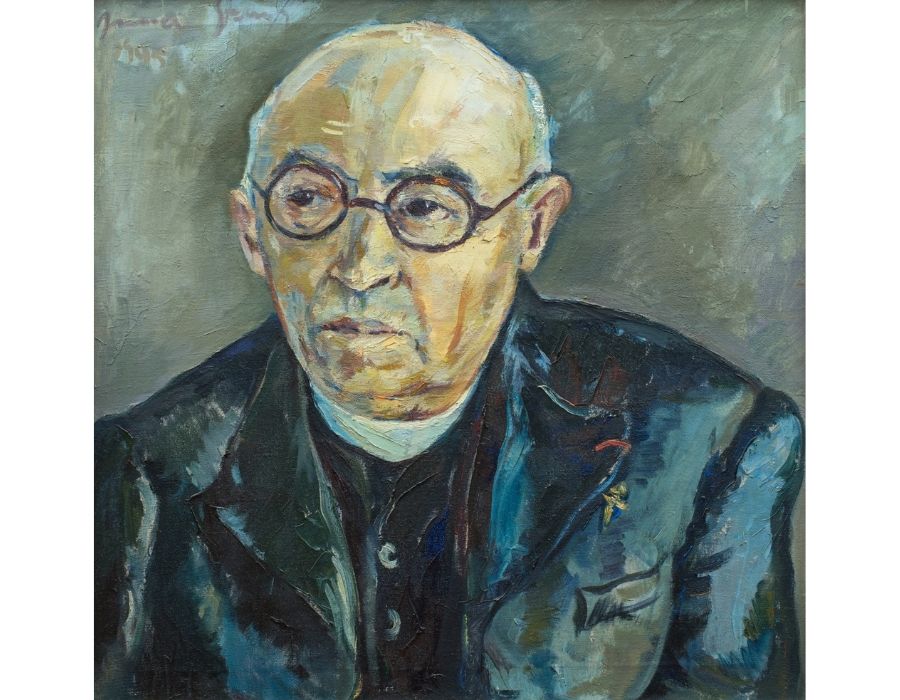
Abbé Henri Breuil was a distinguished French archaeologist and prehistorian, renowned for his pioneering studies of Paleolithic and rock art across Europe and Africa. His meticulous fieldwork and publications helped establish modern methods for recording and interpreting ancient visual culture. His admirers included Irma Stern and Walter Battiss. Painted in 1945, Stern’s portrait situates Breuil at the intersection of her modernist portraiture and a broader intellectual and artistic network that included European and South African scholars and artists. The portrait captures Breuil’s scholarly presence and affirms his importance to artists at a time when modern art was energised by anthropology and archaeology.
Ann Apthorp
20th century
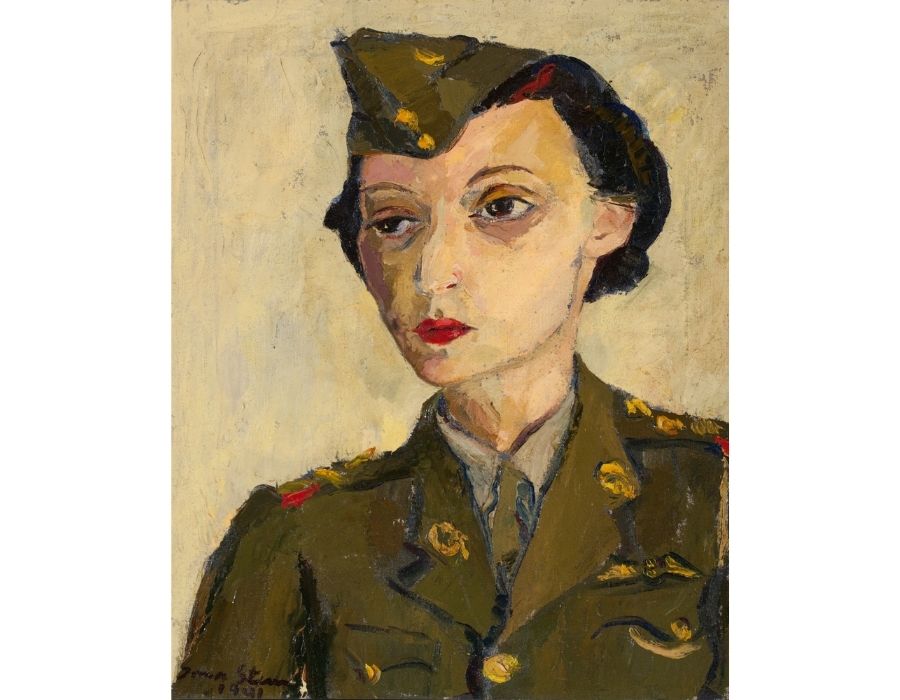
Ann Apthorp was a close friend of Irma Stern and part of the artist’s intimate social circle in Cape Town during the Second World War. During this period, Apthorp served in the South African Women’s Auxiliary Services. Stern’s portrait of Apthorp in uniform derived from a period in which private lives and global events were increasingly intertwined. It departs from conventional representations of military service, emphasising instead the sitter’s individuality, poise and psychological presence. Through expressive colour and confident brushwork, Stern presents Apthorp not as a symbol of wartime duty, but as a modern woman shaped by the uncertainties and responsibilities of her moment. The painting reflects Stern’s ongoing commitment to portraiture as a means of capturing character rather than status.
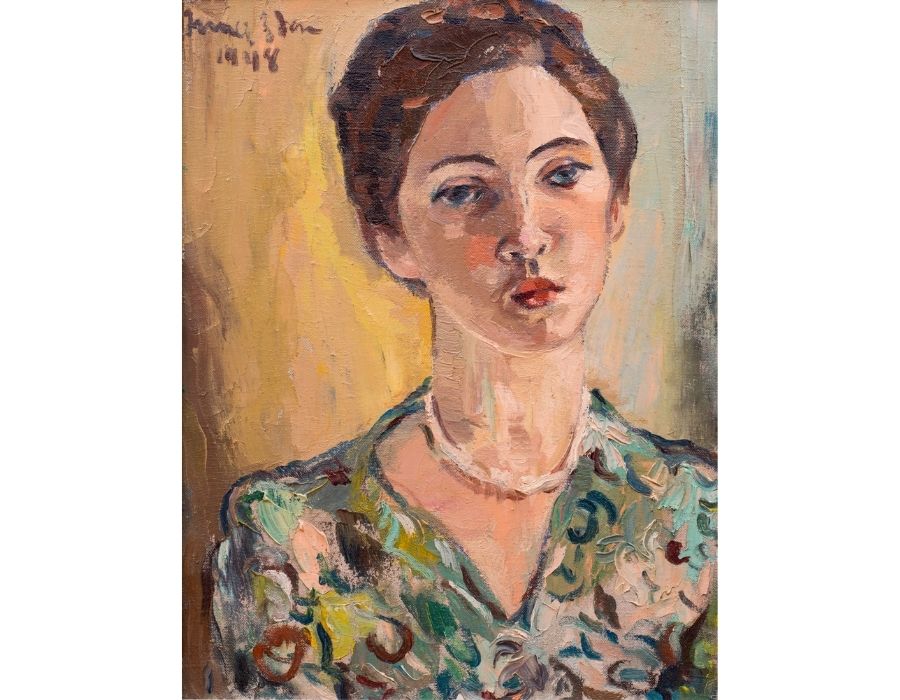
Barbara Kuper
21st century
Barbara Kuper was Irma Stern’s niece and a member of her close family circle in Cape Town. The daughter of Stern’s younger brother, Rudi Stern, Kuper frequently spent time at The Firs, Stern’s home and studio in Rosebank. Stern painted Kuper on several occasions, a testament to the familiarity and trust that shaped these portraits. Rather than formal commissions, the works reflect a sustained familial engagement, allowing Stern to explore character, mood and presence with unusual immediacy. These portraits underscore the importance of family relationships within Stern’s portrait practice, in which emotional proximity informs both likeness and expression.
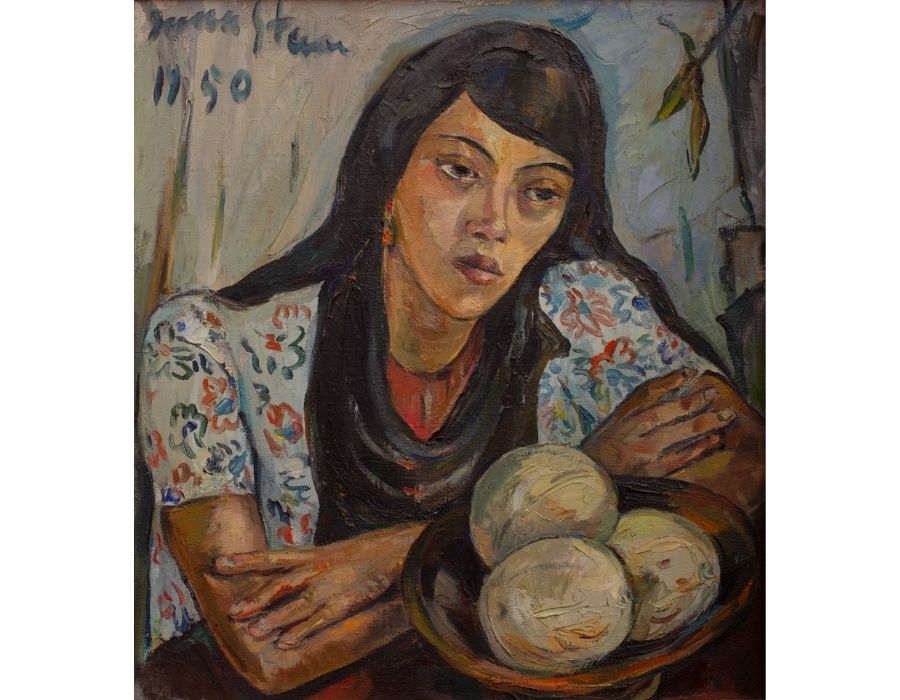
Irma Stern: Malay Girl
1950
Painted in 1950, Malay Girl marks a significant point in Irma Stern’s engagement with the Cape Muslim community of the Bo-Kaap. While this community had been a primary focus during her “Golden Period” of the 1940s, this work demonstrates a shift toward a more fluid, painterly handling. Stern captures the sitter with a contemplative, downward-looking gaze, shifting the focus from the vibrancy of the surrounding neighbourhood to the private, internal world of the individual.
The composition is enriched by the inclusion of a still-life element, a bowl of fruit, which anchors the sitter in a domestic space while allowing Stern to experiment with volume and form. The intricate pattern of the girl’s blouse and the deep, sculptural folds of her headscarf are rendered with a confident, rhythmic brushwork that characterizes Stern’s mid-century mastery. In the context of Faces of Cape Town, this portrait exemplifies Stern’s ability to find universal poise and quiet dignity within the specific cultural textures of the city.
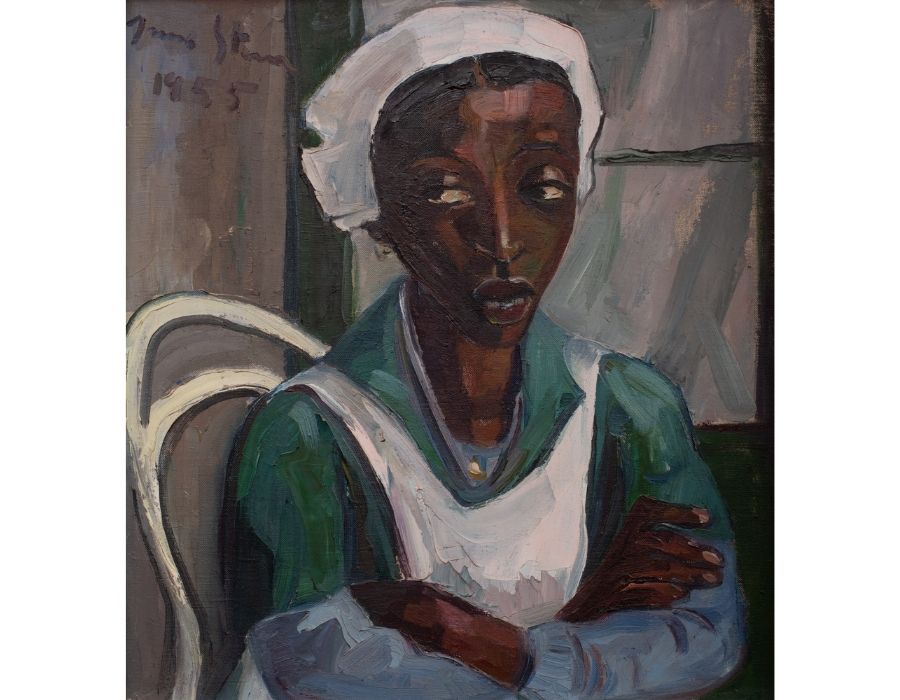
Irma Stern: Maid in Uniform
1955
This 1955 portrait by Irma Stern has received considerable attention by revisionist historians and curators. The work explores the tension between social identity and individual interiority. While the title of the portrait and the starched white cap and apron of the sitter denote the sitter’s role within the domestic sphere of mid-century Cape Town, Stern’s approach is far from a mere study of a social “type.” The sitter is rendered with a monumental physical authority, her crossed arms and sideways glance suggesting a self-possessed, confident, yet guarded, psychological depth.
The work belongs to Stern’s late period, characterized by a more liberated and textural application of paint. The face is a complex mosaic of deep umbers, ochres and reds, demonstrating Stern’s lifelong commitment to using expressive colour to convey vitality rather than literal likeness. The uniform serves as a formal structural element, a bright, geometric contrast to the darker skin tones, but it is the sitter’s distinct, pensive gaze that commands the viewer’s attention, asserting a private humanity that transcends her professional station.