Buying Jewellery at Auction: A Modern Guide to Collecting With Confidence
3 Jun 2026
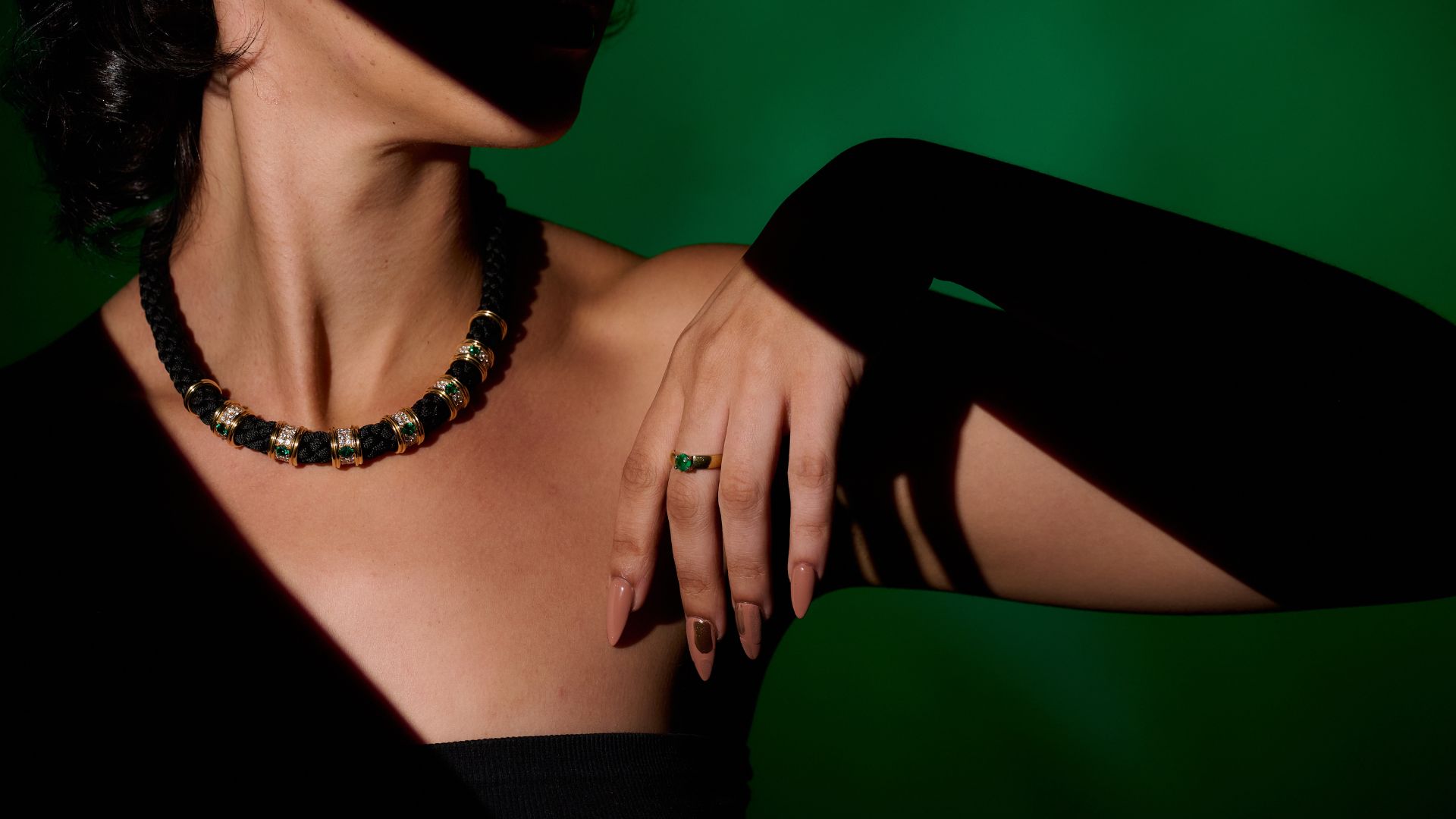
Strauss & Co’s Magnificent Jewels, Africa live auction presents a curated diamond story shaped by material value, symbolism and life’s defining milestones. The lots reflect how diamonds are chosen, gifted and worn – marking significant moments from first commitments to enduring partnerships.
“Diamonds continue to carry meaning,” says Kim Goeller. “But the way people engage with that meaning has broadened. It’s about marking stages.” The sale moves through a sequence of defined categories, a highlight being a loose round brilliant diamond (lot 37, estimated at R550 000 – R650 000). Looking at the categories more closely from promise rings to investment diamonds, auction buying has become part of the modern jewellery conversation.
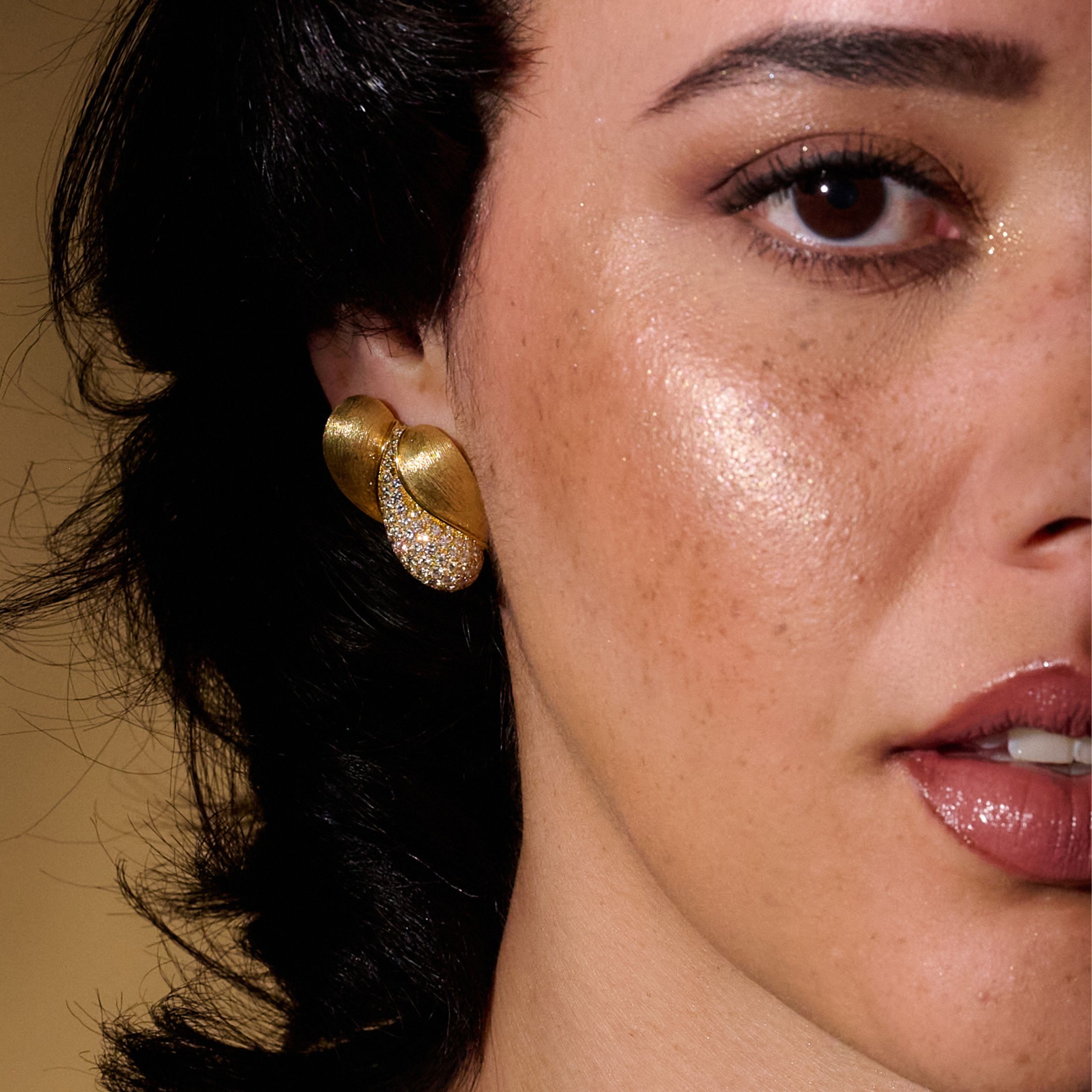

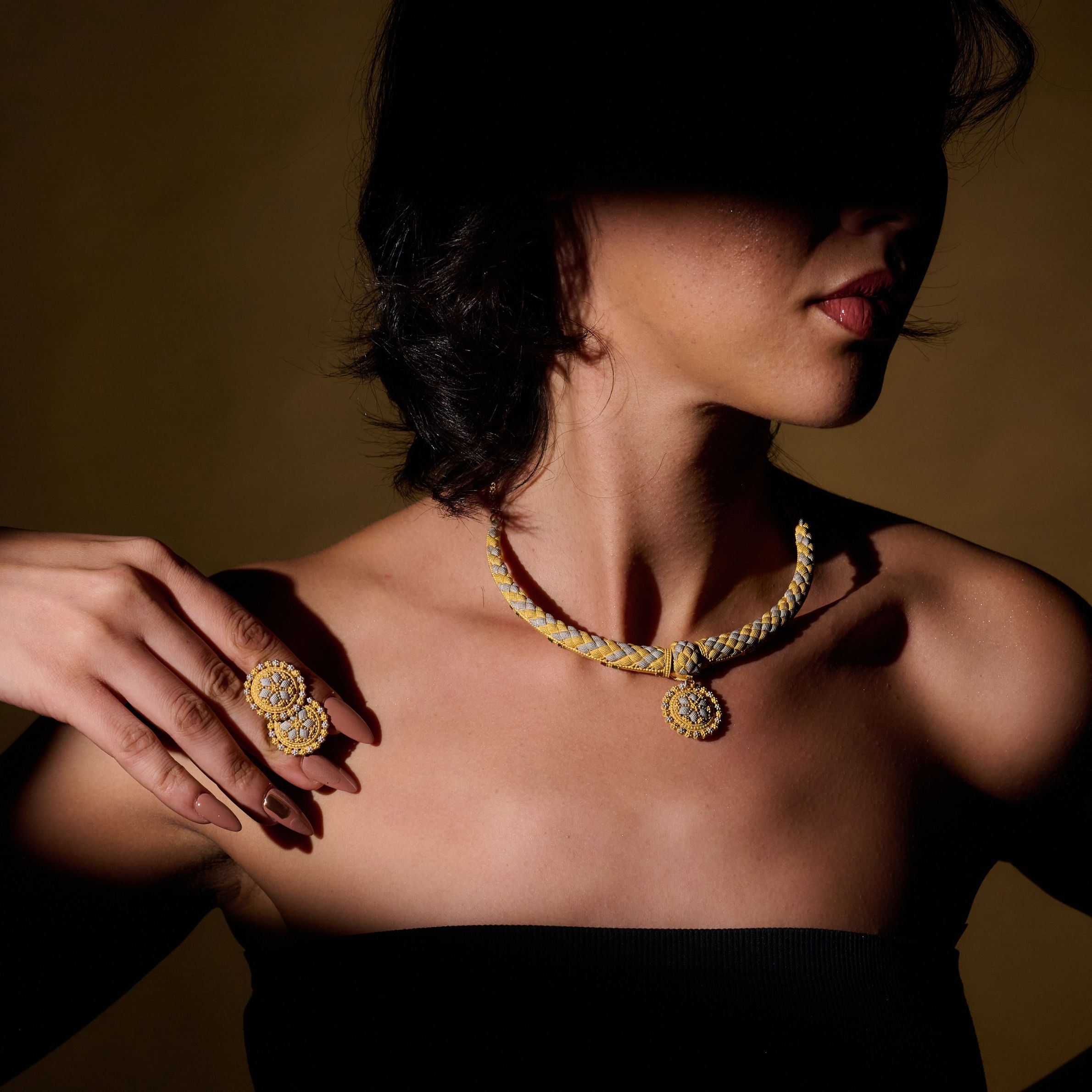
Jewellery auctions have long carried an air of theatre: the raised paddle, the auctioneer’s cadence, the tension of a final bid. But the modern jewellery auction has evolved far beyond the traditional saleroom. Today, collectors browse catalogues online, compare prices internationally, request detailed condition reports remotely and bid from their phones anywhere in the world. At the same time, the way people buy jewellery is changing. Increasingly, buyers are looking beyond conventional retail and toward pieces with individuality, provenance and stronger intrinsic value. Auction houses have become an accessible entry point not only for seasoned collectors, but also for first-time buyers purchasing engagement rings, promise rings, anniversary jewels or future heirlooms.
Why buyers are turning to auctions
One of the biggest misconceptions around jewellery auctions is that they are reserved for elite collectors. In reality, auctions often offer access to exceptionally well-made pieces at prices below comparable retail. Auction catalogues may include vintage jewellery, signed designer pieces, estate collections, contemporary diamonds and rare gemstones within the same sale. Their curation creates a broader spectrum of design, periods and price points. The value lies purely in materials, rarity and artistry, rather than in brand positioning, storefront overheads or seasonal mark-ups. Auction jewellery frequently includes pieces that are no longer in production, making them distinct from the homogenised styles often seen across commercial jewellery retail.
The emotional return of symbolic jewellery
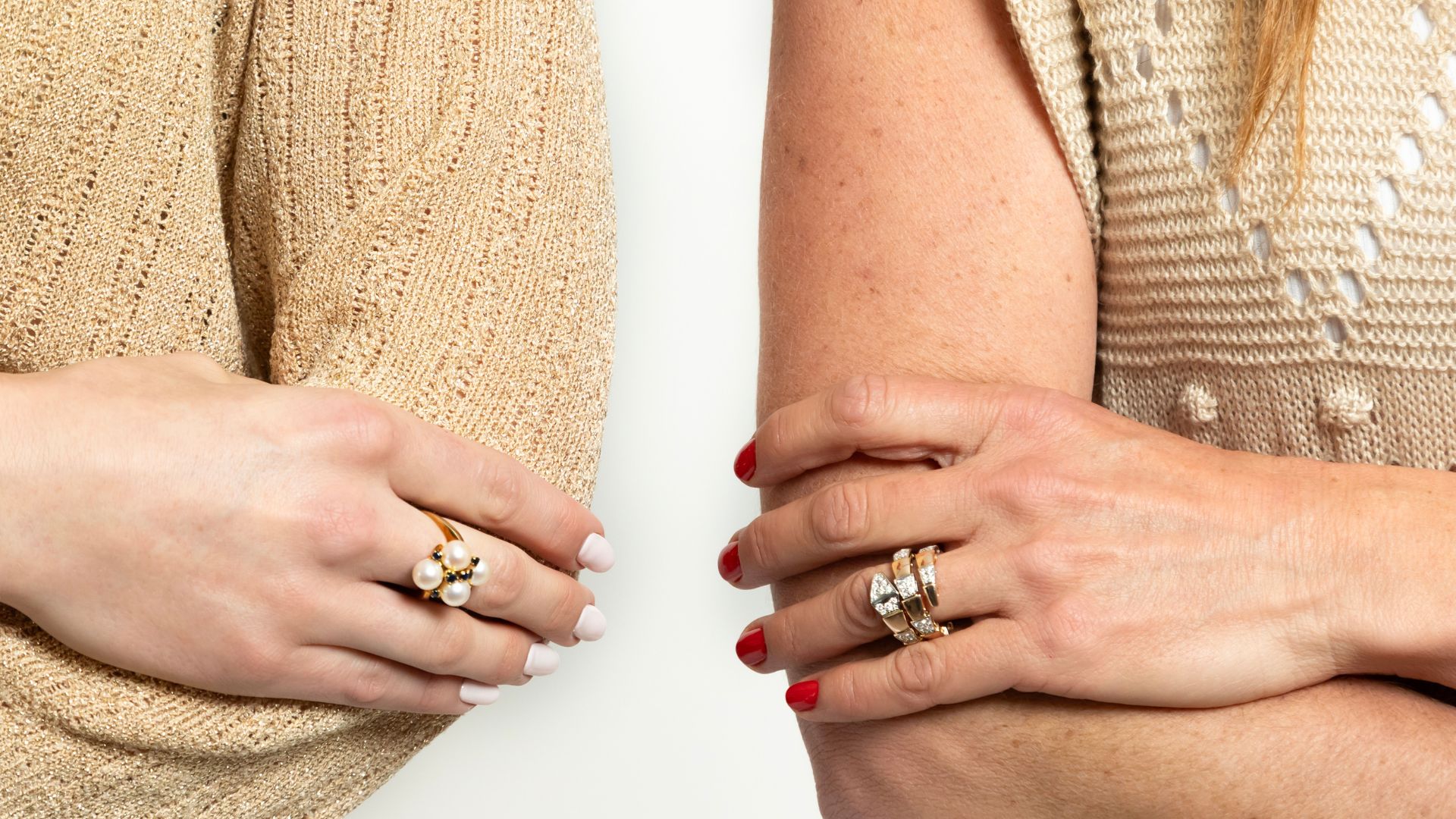
Recent conversations around engagement rings, alternative bridal jewellery and meaningful gifting have also contributed to renewed interest in auctions. The promise ring, in particular, has quietly re-emerged as a category with emotional resonance. Traditionally symbolising commitment before engagement, promise rings have evolved into broader expressions of intention, loyalty, personal milestones or self-purchase jewellery. Younger buyers increasingly gravitate toward pieces that carry symbolism without necessarily adhering to conventional timelines.
Auction environments suit this shift well. Buyers can source distinctive rings with character and history rather than selecting mass-produced designs from standard retail collections. Vintage diamond solitaires, coloured gemstone rings and smaller antique pieces have all found renewed relevance among buyers seeking jewellery with a story.
How to buy jewellery at auction
For first-time buyers, the process can feel intimidating. In practice, however, the modern auction process is remarkably transparent. The starting point is always the catalogue. Auction houses release catalogues ahead of sales, either digitally or in print, which include professional photography, estimated price ranges, gemstone details and technical descriptions.
Serious buyers should request a condition report to gain additional information about the piece’s condition, including wear, resizing history, gemstone condition, repairs, replacements and any visible imperfections. Reputable auction houses will also supply supplementary photographs, measurements and certification details where available. Condition reports attached to diamond and important gemstone pieces, particularly those issued by esteemed laboratories such as GIA, add value in confirming cut, colour, clarity and carat weight. Comparing the auction estimate to current retail pricing can help buyers assess overall value if they can find a similar piece.
Understanding trends before bidding
The market has moved toward quieter luxury, wearable investment pieces and statement gold jewellery. Diamond necklaces, vintage-inspired engagement rings, yellow-gold settings, and sculptural designs are currently favoured internationally. At the same time, buyers are becoming more educated about craftsmanship and longevity. Pieces with classic proportions generally outperform trend-driven designs over time. Understanding current market direction can help buyers assess whether a piece feels fleeting or enduring. A ring purchased today may ultimately become part of a future estate collection.
Online bidding versus live auctions
Since technology has increased access to the auction world, participation has grown accordingly. Buyers can register for virtual sales, follow lots in real time, leave absentee bids and participate remotely from anywhere. However, online buyers should still approach the process strategically. It is important to establish a firm maximum bid beforehand and factor in the buyer’s premium, taxes and any shipping costs. Live auctions, meanwhile, carry a different rhythm entirely. The pace is faster, emotions can escalate quickly and competitive energy within the room may influence bidding behaviour. Experienced collectors often recommend discipline above all else: know your limit before bidding starts to avoid impulse buying. Set a budget and stick to it, is the expert advice.
Jewellery with a second life
One of the most compelling aspects of buying jewellery at auction is the story behind it: a diamond ring from a great romance that happened decades earlier; a sapphire pendant passed down through generations. Pieces with history and sentiment increasingly resonate with modern buyers in an era dominated by disposability. Jewellery auctions offer the opportunity to acquire beautiful diamonds and gemstones while providing access to craftsmanship, history and emotional continuity – often at values that reward informed, patient buyers willing to look beyond the traditional retail counter.