1-54 Founder Touria El Glaoui on How African Art Collecting is Changing
9 Oct 2026
As Strauss & Co prepares to host a panel at 1-54 Contemporary African Art Fair in London, Touria El Glaoui shares insights on a new generation of collectors, the gaps in art history and why looking back matters too.
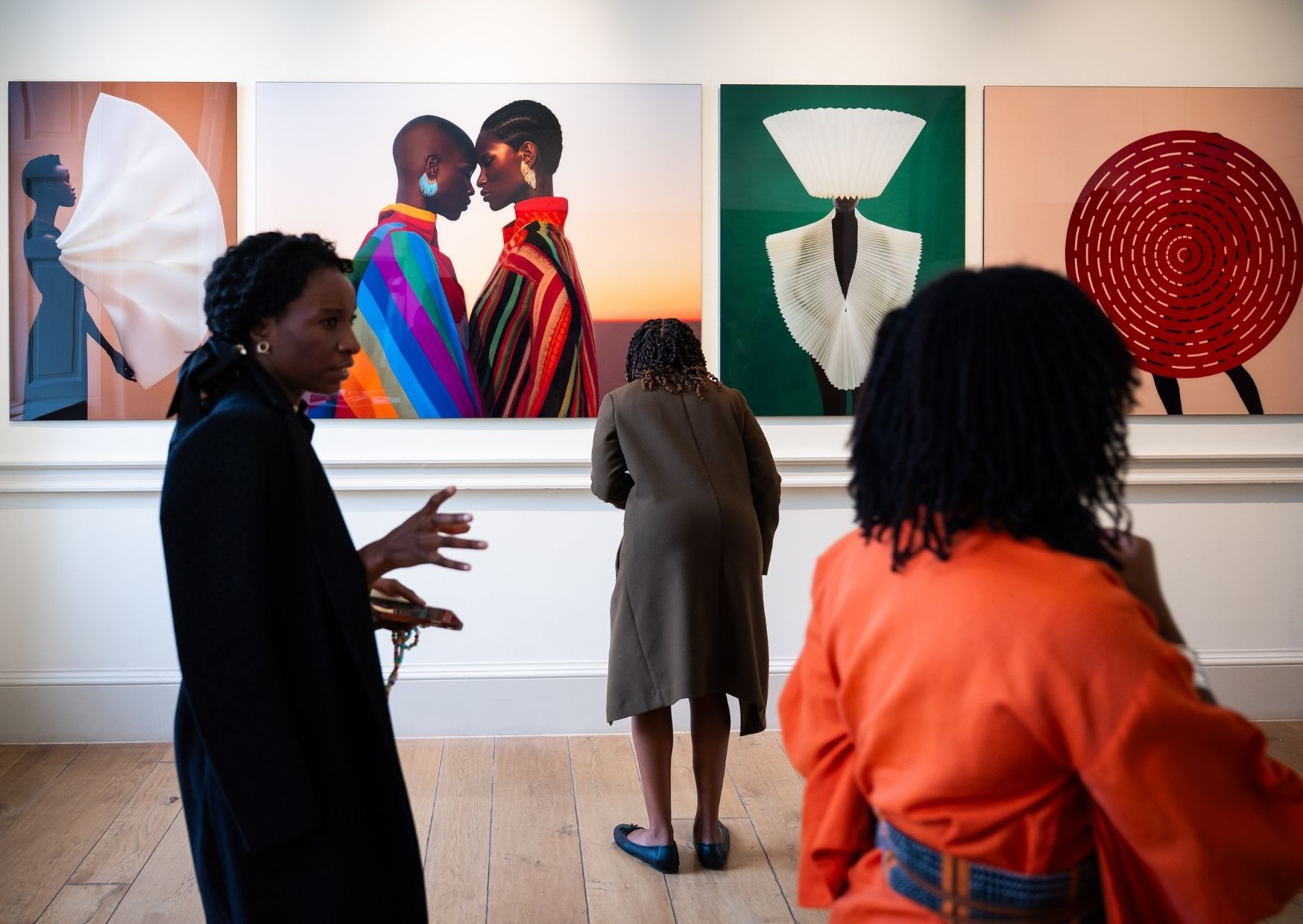
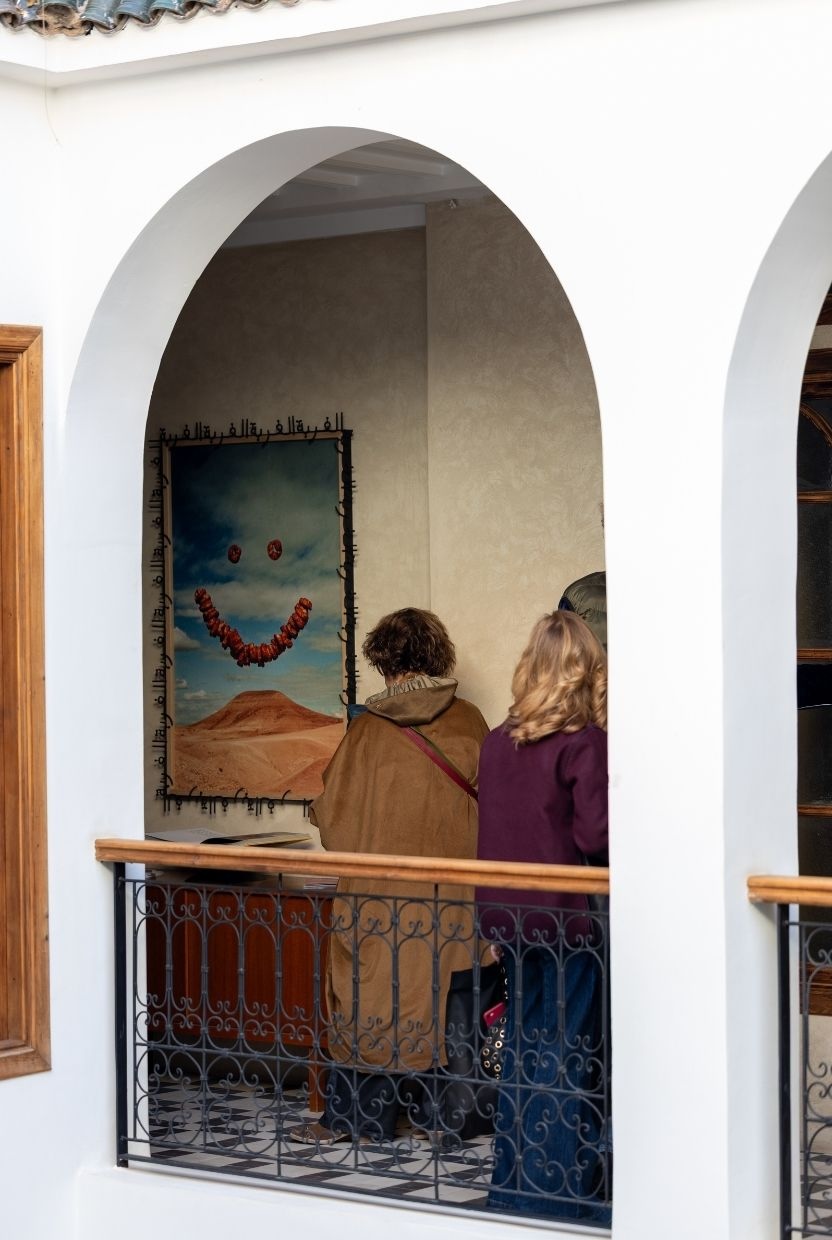
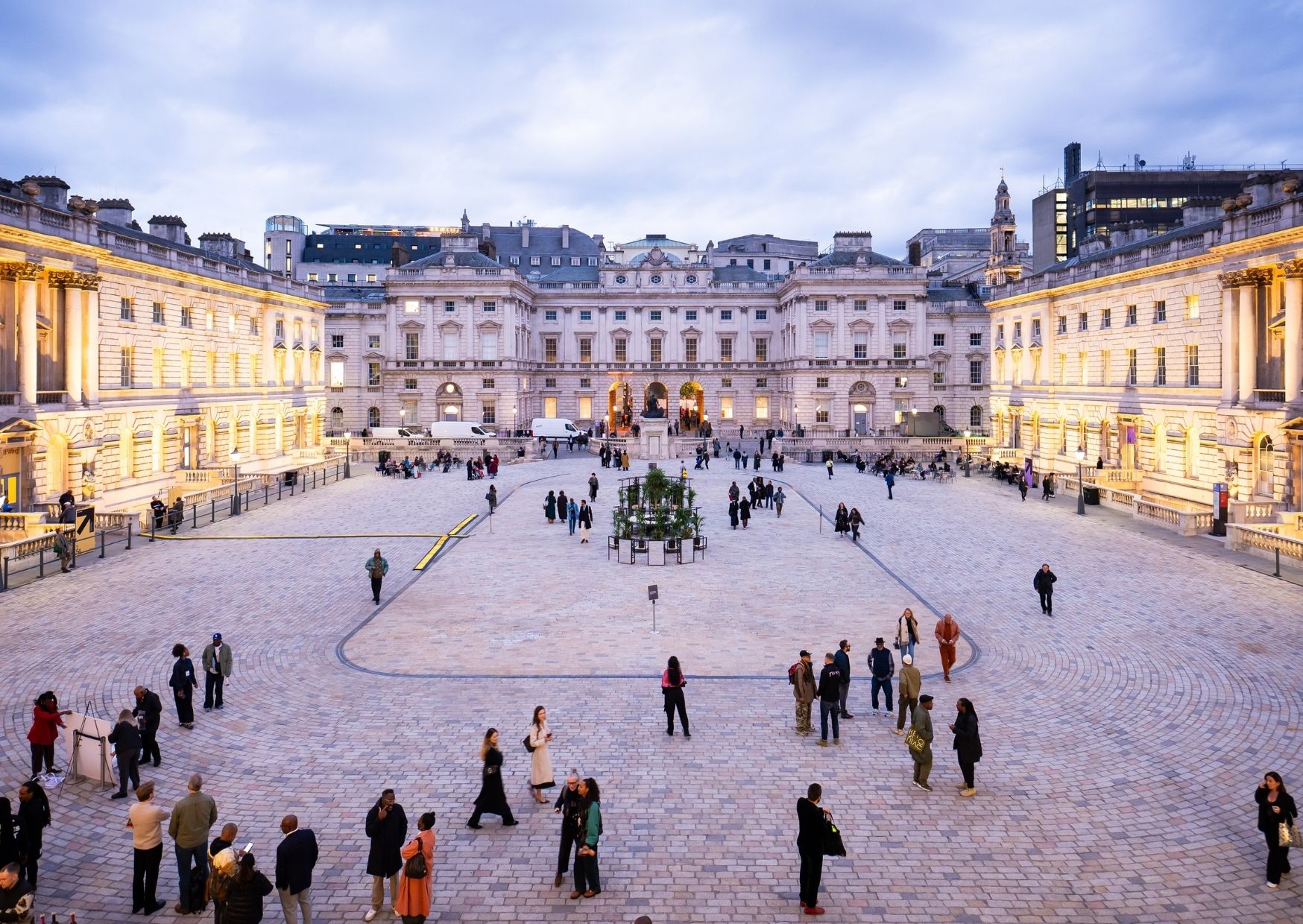
Fourteen years ago, Touria El Glaoui wanted the art world to stop seeing Africa, and African art, as a single story. In 2013, she founded 1-54 Contemporary African Art Fair, named for the 54 countries that make up the continent. Today, the fair has annual editions in London, New York and Marrakech.
Much has changed since. “People have a better understanding and are more informed about contemporary African art today,” she says. Visitors arrive knowing the names of artists and more about their backgrounds, while a new generation of collectors has grown up with contemporary African art already part of the international art world. But greater visibility brings a different set of questions. For El Glaoui, the conversation now is about what comes next.
Beyond visibility
And for El Glaoui, what happens next needs to come from the continent itself. That means a stronger base of collectors in Africa, galleries thinking long term, more institutions and better support for artists. New institutions have opened since she started 1-54, but she believes there are still too few able to show the range of work being produced. What matters, she says, is that contemporary African art isn’t treated as “a temporary moment”, but as a permanent part of the international art world.
Looking back
There are gaps in the history too. El Glaoui says much more has been written about contemporary African artists than many of the continent’s modernists, whose work and the movements they helped shape are often less well documented. This is one area where she sees auction houses such as Strauss & Co playing an important role. “The secondary market is extremely important,” she says. Research, catalogues and public auction records can help fill some of those gaps, recording works and putting artists into context. “We are trying to make a long history here,” says El Glaoui, “A better understanding of what happened before in order to understand what’s happening now.” El Glaoui’s own route to 1-54 started much earlier. Her father, renowned Moroccan artist Hassan El Glaoui, was her first art education, while helping with his international exhibitions showed her how difficult it could be to take work from the continent abroad. Her business background brought something else: she approached 1-54 as a business rather than a passion project, thinking about investors, sponsors, cash flow and whether the numbers worked.
A new generation
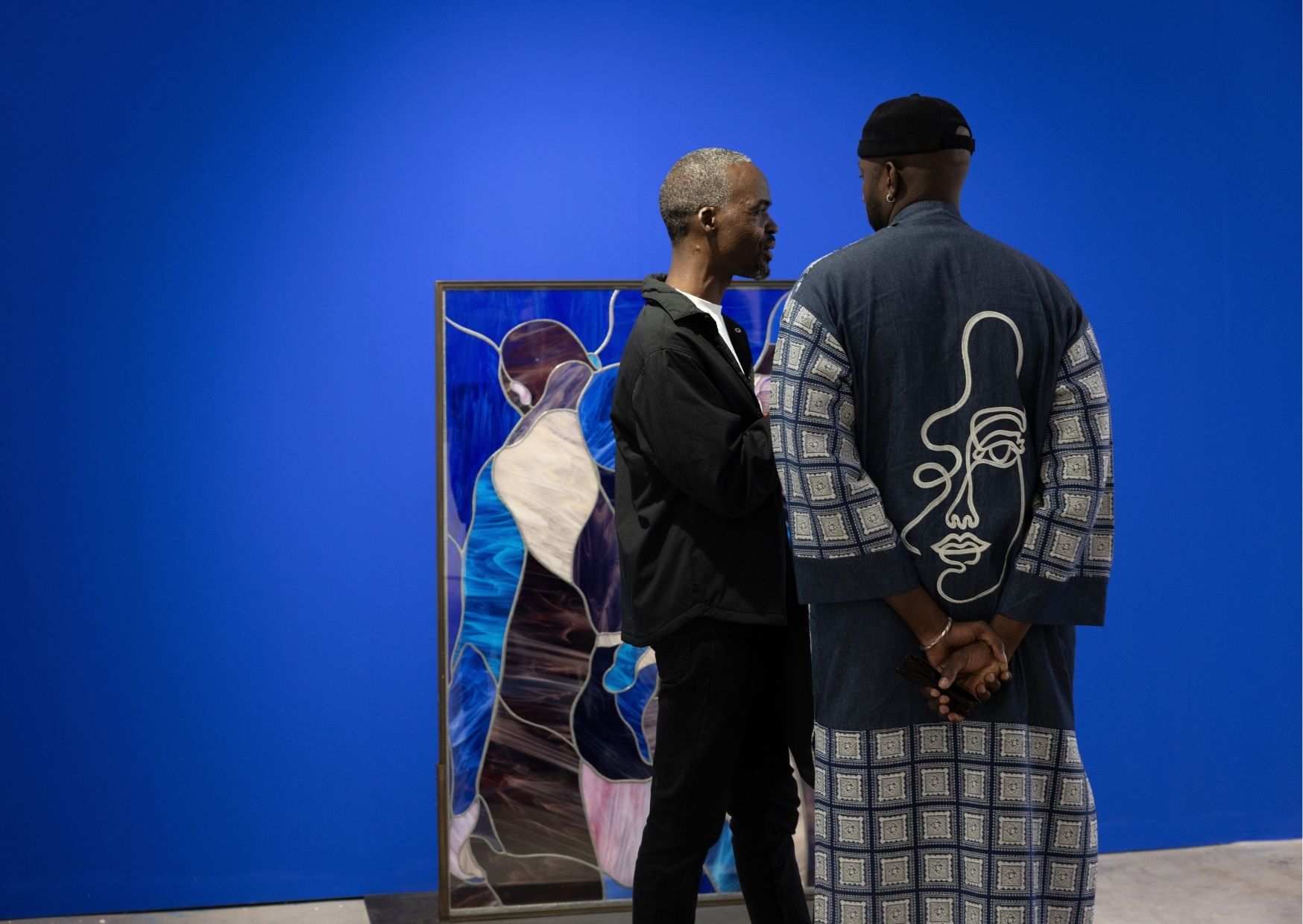
For a younger generation of collectors, contemporary African art isn’t something they have had to seek out. It was already part of the art world when they started buying. El Glaoui is optimistic about what that means. Younger collectors are buying with “a lot of enthusiasm”, while artists are creating their own platforms and taking greater control of how they and their work are seen.
“I always wanted a more integrated, inclusive world for contemporary African artists. The journey is still ongoing, but we have a better landscape today.”
The conversation continues
Strauss & Co will host The Future of African Art Collecting at 1-54 London, a panel exploring collecting, provenance and responsible stewardship. Museum curator, consultant and Strauss & Co Advisory Board member Heba El Kayal will moderate, joined by collector Abdul Rahman Alkhelaifi, cultural advocate Abraham Abia and Ghanaian art historian Elikem Logan.
The Future of African Art Collecting takes place at 11am on Friday, 16 October at Somerset House, London.