The history of visual arts in Tanzania reveals an ongoing process of negotiation between cultural heritage, history, and contemporary artistic practice. Its origins can be traced to prehistoric rock art and the sculptural traditions of the Makonde people, whose masks and anthropomorphic carvings fulfilled ritual, spiritual, and communal functions. Far from being merely ethnographic artefacts, these visual expressions are also complex systems of knowledge and serve as reference points for understanding the evolutions that characterise contemporary Tanzanian art.
A defining moment in the country’s artistic history came in 1968 with the emergence of the Tingatinga style, developed by Edward Saidi Tingatinga (1937-1972). It is characterised by the use of enamel paint on Masonite boards and by vibrant compositions inspired by African wildlife and everyday urban scenes. While the movement gained widespread international recognition, it also prompted critical debates about the boundaries between folk art, contemporary art and artistic production intended for the tourist market. However, many scholars have argued that reducing Tingatinga to a purely commercial category obscures both its aesthetic complexity and its significance as a visual expression deeply rooted in the sociocultural experiences of postcolonial Tanzania.
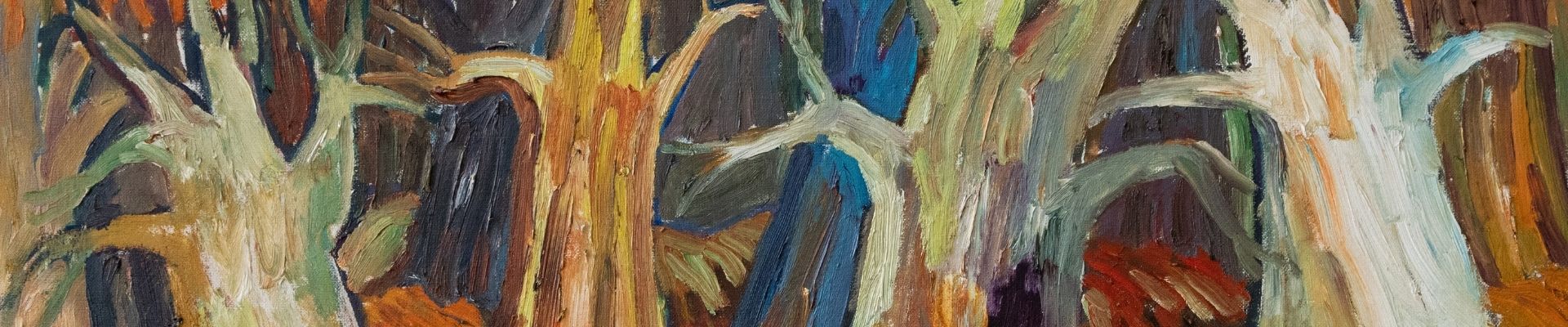
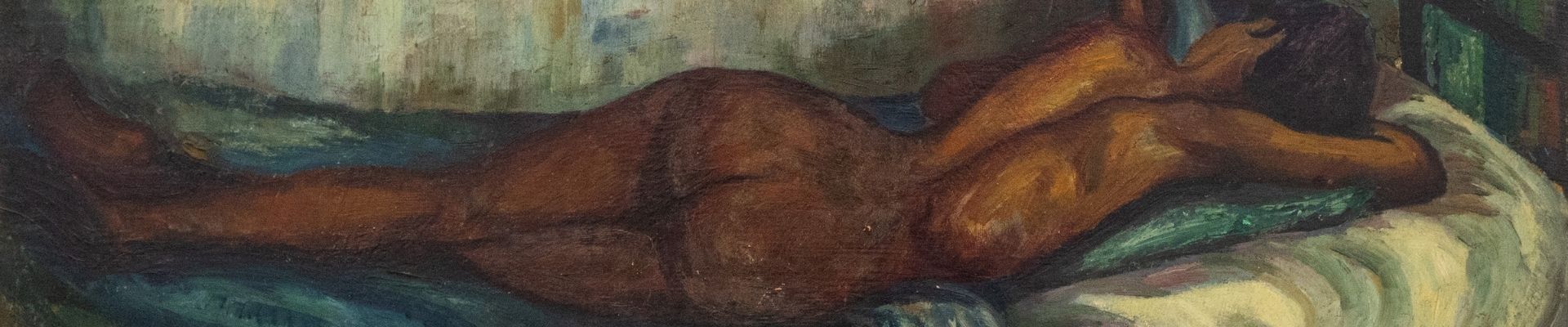
Alongside Tingatinga, George Lilanga (1934-2005) and Kiure Francis Msangi (1936-2003) are some of Tanzania’s most influential artistic figures. Lilanga’s work reimagined his Makonde tradition through a visual language distinguished by humour, symbolic imagination, and a critical engagement with society, while Msangi is known for his expressive depictions of figures and the landscape.
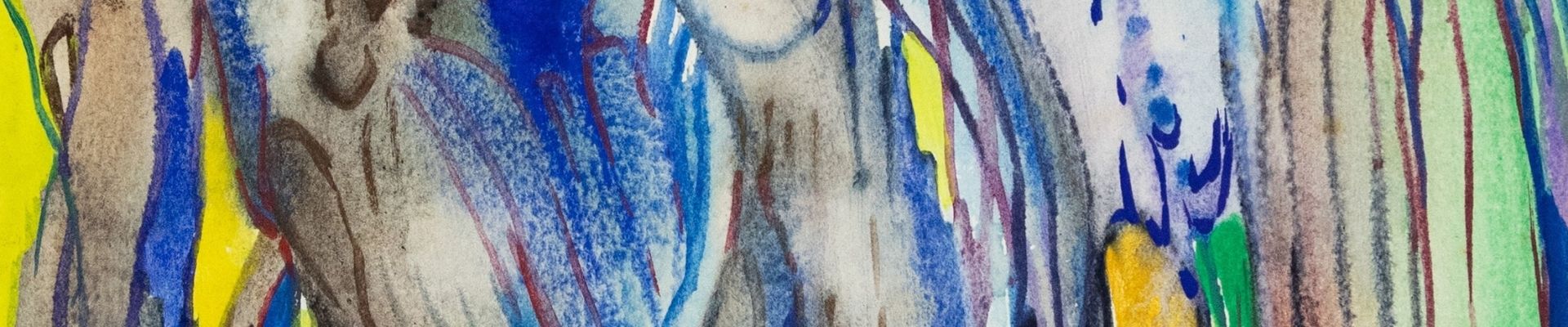
Over the past few decades, the contemporary arts scene in Tanzania has expanded significantly, encompassing painting, sculpture, photography, installation, performance, and new media. Artists such as Valerie Asiimwe Amani, Rehema Chachage, and Mwandale Mwanyekwa engage with themes of identity, gender, urbanisation, mobility, collective memory, and social transformation.
Independent institutions such as Nafasi Art Space in Dar es Salaam have played a decisive role in consolidating sustainable artistic ecosystems by promoting artist residencies, professional development programmes, and opportunities for international exchange. At the same time, the Tingatinga Arts Cooperative Society continues to preserve and revitalise the legacy of the original movement, while the National Museum and House of Culture contribute to the promotion and preservation of the country’s artistic heritage.
Despite these developments, artists and cultural practitioners continue to face persistent challenges related to infrastructural limitations, limited funding, and unequal access to international markets. Nevertheless, the visual arts in Tanzania have established themselves as a dynamic space of cultural resistance, aesthetic experimentation, and identity formation, making an active contribution to the redefinition of contemporary narratives on African art.
Strauss & Co welcomes consignments of rare, secondary market works from the 1960s to 1990s, as well as contemporary pieces by artists from Tanzania. Collectors interested in consigning works from Tanzania and beyond are encouraged to contact us.
Top 10 Tanzanian Artists