Nigeria has a history stretching back thousands of years, beginning with the Nok people. It experienced centuries of independent kingdoms such as the Yoruba, Benin, and Sokoto, followed by British colonisation, which led to the unification of the territory. After gaining independence in 1960, the country experienced significant political instability, including several coups d’état and a civil war rooted in ethnic and territorial conflicts, until order was restored in the late 1990s. Today, the country stands out as a continental power with strong cultural influence, boasting the world’s largest Black population.
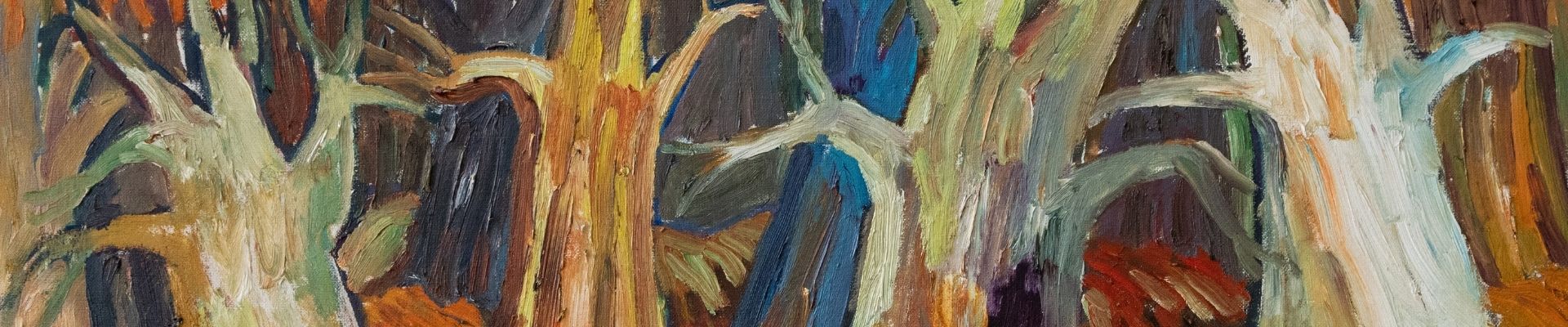
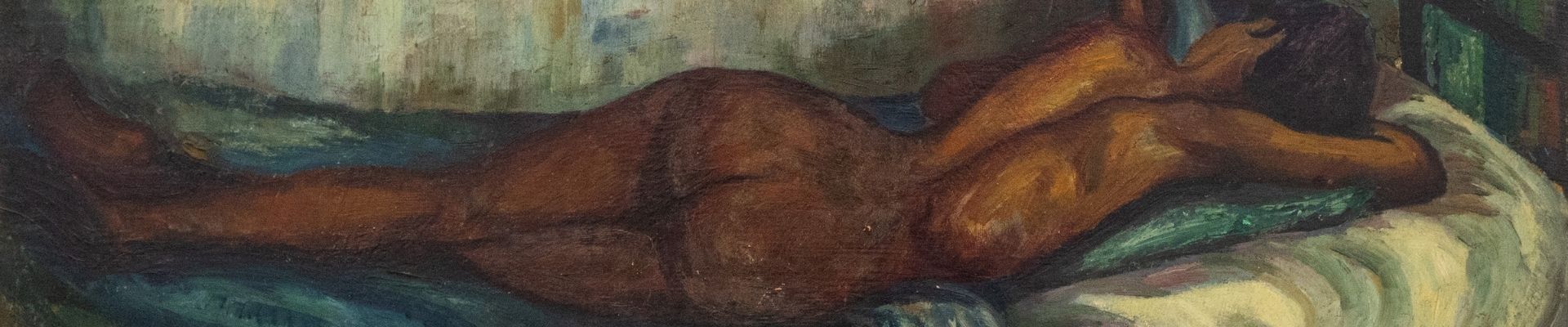
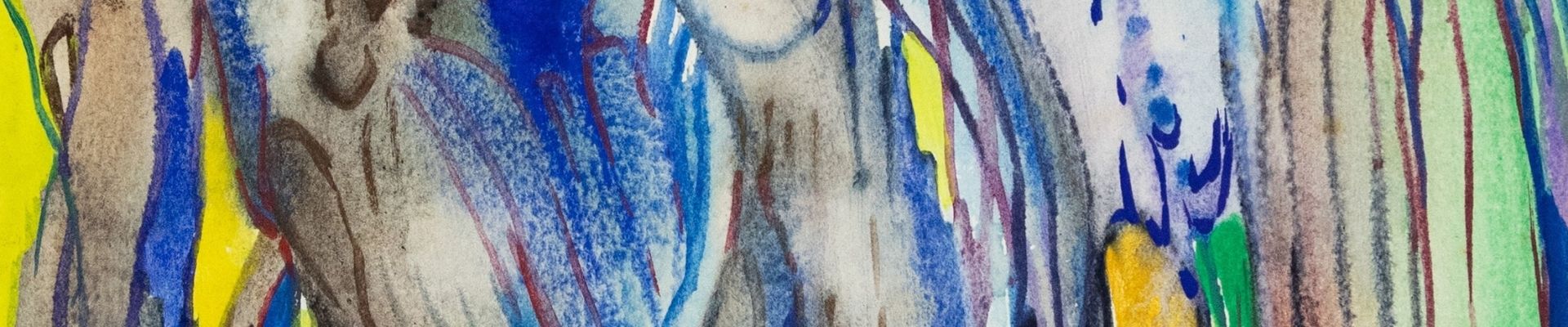
Nigerian art stands out for its ability to provoke critical reflection, moving beyond a focus solely on the tradition to address the complexity of contemporary life. Artistic production essentially reflects a fusion of academic techniques with cultural innovations, often reinterpreting traditional forms such as bronze sculptures within a contemporary context. The spotlight falls on the bronzes of Ife and Benin and the terracotta traditions of Nok, between the 15th and 19th centuries.
Nigerian modernism rose to prominence in the 1950s and 1960s. Within this, Ben Enwonwu MBE (1917-1994) pioneered the fusion of local and traditional Nigerian aesthetics with Western and academic techniques. The Zaria Art Society (1958) also played a key role in promoting the blending of Nigerian themes with modernist methods. Within this society, figures such as Uche Okeke, Demas Nwoko, and Bruce Onobrakpeya contributed to this historical and technical transition. The Oshogbo Art School is another important Nigerian modernist movement that was birthed during the 1960s. The works of key artists such as Prince Twins Seven-Seven, Jacob Afolabi and Rufus Ogundele are example of the movements bold and figurative style.
Yoruba art must be highlighted as a source of influence, research, and production for contemporary Nigerian art. Currently, Nigerian artists explore postcolonial identity, urban life, and ethnic tradition, and names such as Babajide Olatunji (1989) and Oresegun Olumide (1981) have gained international prominence in these areas. The work of both artists is also evidence of how hyperrealism and painting stand out as the primary technical languages promoted by Nigerian art academies and movements.
Lagos, its largest city, is the country’s artistic hub and centre of production, featuring galleries such as the Nike Art Gallery and contemporary artists who work with a variety of media. Lagos’ art scene is driven by its artists, as well as by new art spaces, events, foundations, awards and initiatives that foster cultural exchange, positioning the country on the continental and global stage. It is worth highlighting events such as Art X Lagos, which provide new avenues for the local art market; the Lagos Biennial, as a gathering for African art, the diaspora, and related communities; and spaces like CCA Lagos, promoted by the late curator Bisi Silva and the African Art Foundation.
Top 10 Nigerian Artists