Mozambique gained its independence from Portugal in 1975, following a prolonged and violent liberation struggle. However, the promise of sovereignty was quickly overshadowed by a devastating civil war (1977-1992) between the FRELIMO government and RENAMO. This context of conflict, trauma, and reconstruction has become a central theme in Mozambican cultural and artistic production, with art emerging as a space for resistance, the negotiation of memory, and the reinvention of identity.
In the early post-independence years, FRELIMO’s Marxist-Leninist-inspired political project assigned art a pedagogical and mobilising role, promoting narratives of national unity, revolutionary heroism, and collective consciousness. As the war dragged on and, later, with the transition to a market economy, the artistic field expanded to embrace a plurality of voices and languages. Artistic creation began to assert itself as a critical mirror of society, directly confronting the scars of violence, social inequalities and the dilemmas of national reconciliation.
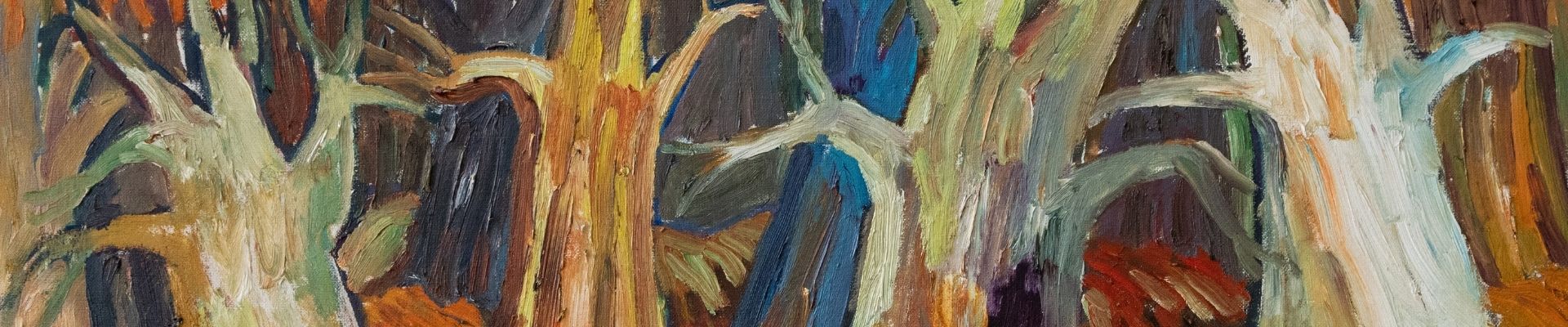
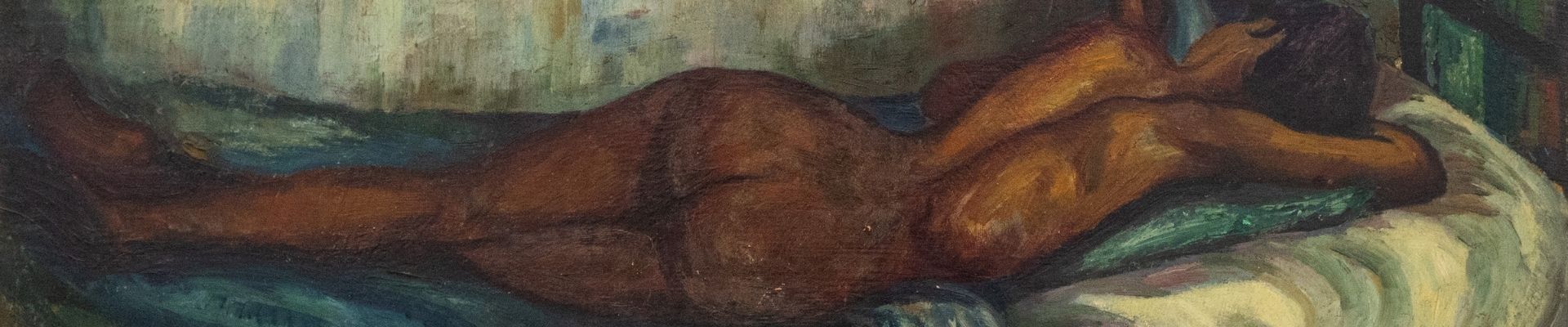
In this journey, Associação Núcleo de Arte, founded in 1937, played a central role as a platform for encounter, experimentation, and artistic legitimisation, especially in the post-independence period. It was in this space that key figures such as Malangatana Ngwenya (1936-2011) and Alberto Chissano (1935-1994) established themselves as artists who decisively shaped the country’s visual imagination and influenced subsequent generations. Malangatana stood out for his dense, vibrant, and narrative paintings, in which symbolism, spiritual syncretism, and collective history intertwine, making him a true visual chronicler of Mozambique. Chissano, for his part, explored themes such as pain, hope, and human dignity with remarkable expressive intensity through his wood sculptures.
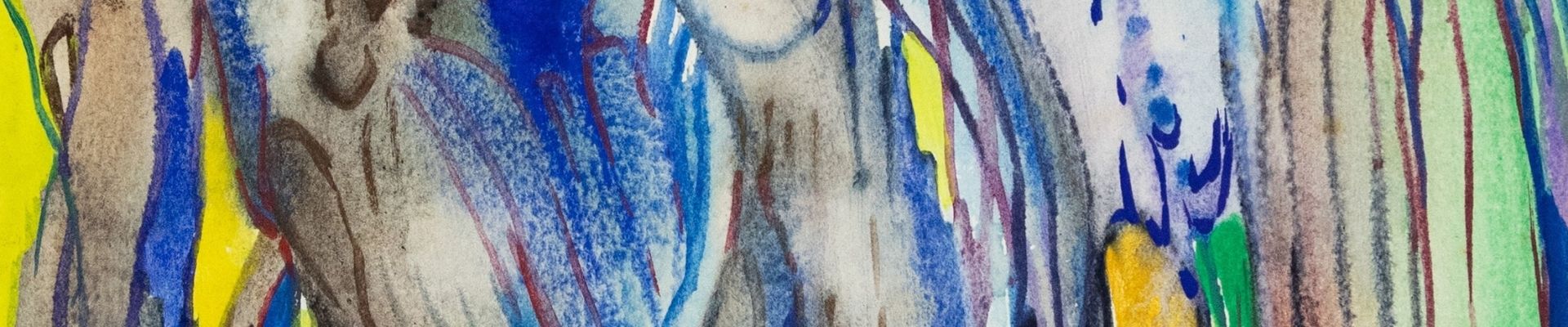
In the contemporary era, artists such as Gonçalo Mabunda (1975) transform decommissioned weapons from the civil war into sculptures that reframe violence as memory and the possibility of peace, while Reinata Sadimba (1945) reinterprets the Makonde ceramic tradition through contemporary female narratives. Through printmaking, painting and collage, Mario Soares depicts urban scenes with rigour and empathy, addressing identity, exclusion, and belonging.
Despite facing structural challenges, limited funding, fragile infrastructure, and an emerging market, the Mozambican art scene displays remarkable vitality. The growing presence of artists at international biennials and exhibitions confirms the global relevance of a body of work that, rooted in the tension between tradition and modernity, continues to critically reinvent its place in the world. The current Mozambican art scene is further supported by post-independence institutions such as the National Art Museum and contemporary institutions such as the Arte Gema Gallery, as well as cultural foundations.
Strauss & Co welcomes consignments of rare, secondary market works from the 1960s to 1990s, as well as contemporary pieces by artists from Mozambique. Collectors interested in consigning works from Mozambique and beyond are encouraged to contact us.
Top 10 Mozambican Artist