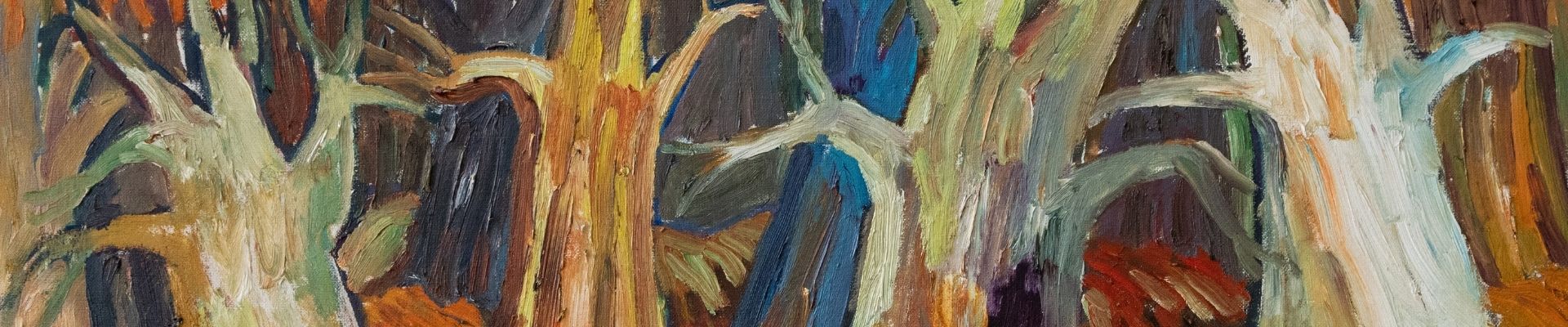
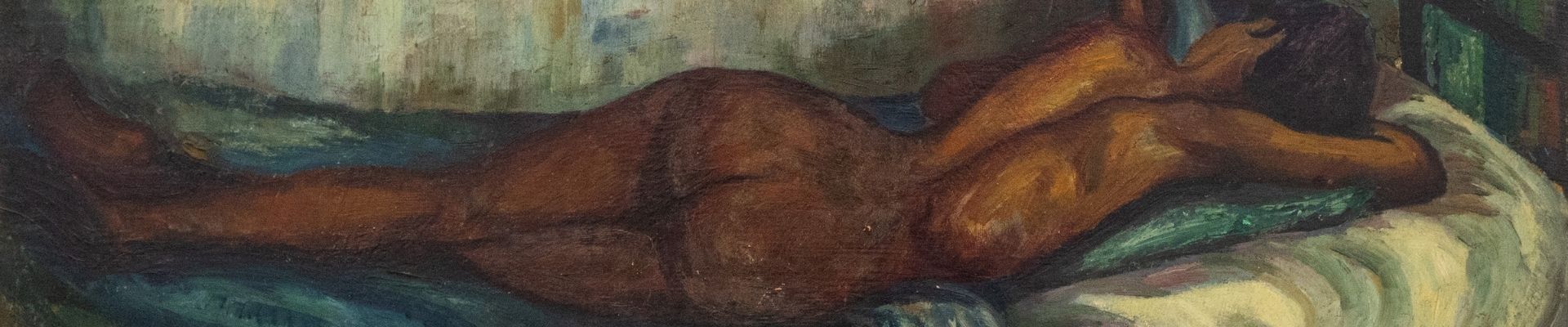
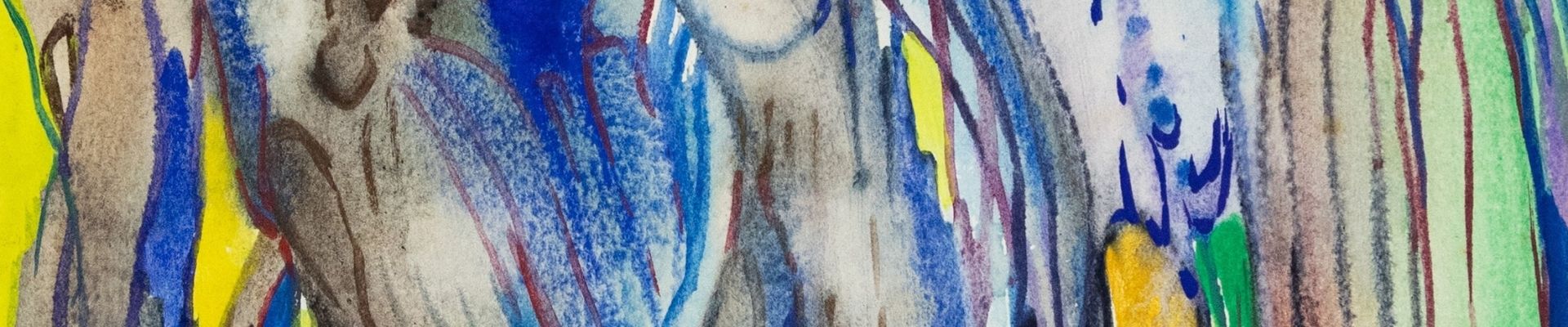
Kenya, which gained independence from the United Kingdom in 1963, has charted a postcolonial course marked by remarkable dynamism, but also by persistent social and political challenges. Nairobi, its vibrant capital, has established itself as one of the leading hubs for visual arts in East Africa. The city stands as a fertile ground where African modernity engages with the complexities of contemporary urban life.
In this context, contemporary Kenyan art emerges as a mirror of this creative tension, exploring the intersections between cultural heritage, global influences, and the daily realities of a nation undergoing constant reinvention. Despite structural limitations and a scarcity of funding, creative freedom remains a driving force, allowing artists to engage in a critical and inventive relationship with their environment. The Kenyan political landscape, marked by periods of instability and successive democratic transitions, has left a profound imprint on artistic production. Art thus emerges as a space for intervention and reflection, addressing issues such as corruption, inequality, rapid urbanisation, and power dynamics. Although there is no systematic state censorship, many creators operate within an ecosystem of fragile institutional support, which has driven the emergence of independent spaces and the strengthening of collaborative networks among artists.
The Kenyan diaspora also plays a decisive role, introducing new perspectives and broadening the debate surrounding identity, belonging, and cultural circulation. Considering this, figures such as Wangechi Mutu (1972) stand out with her practice, which blends collage, sculpture, and video, exploring the female body, race, ecology, and Afrofuturism. Her works challenge Western narratives about Black femininity and Africa, creating hybrid and fantastical worlds that reimagine the African future. Michael Armitage (1984) is also prominent for the uniqueness of his work, using lubugo—a traditional Ugandan bark cloth—as a support for paintings that blend politics, memory, and popular imagination. His practice is a fusion of Western techniques and African materials, resulting in works that are simultaneously beautiful and unsettling, commenting on the complexity of Kenyan society.
For his part, Cyrus Kabiru (1984), whose works we have handled, has gained international recognition for his “C-Stunners,” sculptural eyewear made from electronic waste. His work critiques consumerism and technology while celebrating creativity and the ability to transform discarded objects into art. Kabiru is a leading figure in Afrofuturism, reimagining the future through a distinctly African lens. Strauss & Co has also brought to market work by Kenya’s celebrated modern artist Ancent Soi. With stunning attention to detail, colour and texture, his joyful paintings portray cultural ceremonies, personal memories and everyday scenes of rural life in Kenya. Soi’s painting career began while he was working at a city market in Nairobi, selling woodcarvings and paintings. His works drew attention, and he later became a full-time artist, gaining widespread popularity within the city.
The Kenyan artistic ecosystem proves to be deeply dynamic, supported by key institutions such as Circle Art Gallery, the Kuona Trust and The GoDown Arts Centre, which play a central role in training, exhibiting, and promoting artists, consolidating Kenya as one of the continent’s creative epicentres. Founder of Circle Art Gallery, Danda Jaroljmek, is also the Director of Art Auction East Africa, a platform established to cultivate a secondary market for East African artists. Recognising the importance of collaboration in fostering a thriving pan-African art ecosystem, Strauss & Co partnered with Art Auction East Africa in 2025 for their annual sale. Following the success of this auction, with sales totalling KES 30 million at a sell-through rate of 86%, we are pleased to continue this strategic partnership between two leading regional actors with a shared commitment to the African art market.
Strauss & Co welcomes consignments of rare, secondary market works from the 1960s to 1990s, as well as contemporary pieces from East African artists. Collectors interested in consigning works from East Africa and beyond are encouraged to contact us.
Top 10 Kenyan Artists